Why UAE Food Companies Prefer Polyester-Cotton Blends for Uniforms 

UAE-Food-Companies-Prefer-Polyester-Cotton-Blends-for-Uniforms

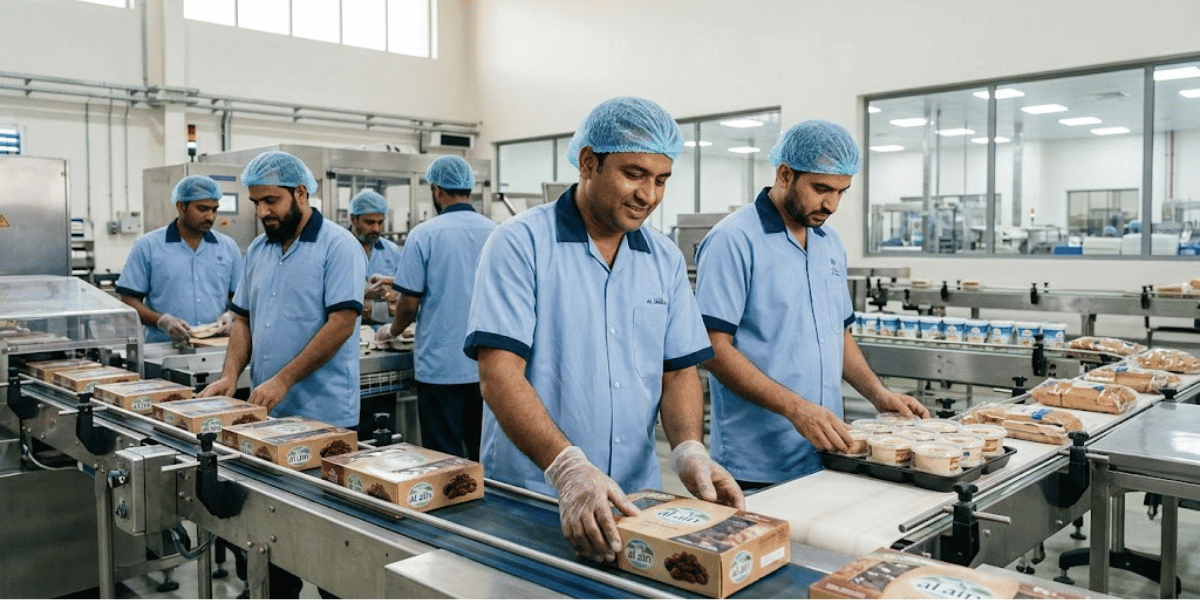
Walk into the food processing facility, and you can see workers dressed in polyester-cotton blends. Now, the question pops up in your mind as to why these food companies choose polyester-cotton blend and not some other fabric. Well, this is not happening by trend or accident. It is a thoughtful decision and has its reasons. 

Previously, we compared disposable vs. washable food-industry uniforms and explored the key differences between white vs. color-coded uniforms. Both topics highlighted how the right uniform choices can improve hygiene, safety, and operational efficiency in food processing environments.

Today, we will discuss another important aspect of food industry workwear: why UAE food companies prefer a Polyester-Cotton combination in uniforms.

To answer your questions, let us walk through how other blends or just simple cotton fail and why these polyester-cotton blends seem to be the best choice.

UAE Food Companies

Top Reasons Why UAE Food Companies Prefer Polyester-Cotton Blends For Uniforms

Here are the reasons you must know and some other things to think about while you are choosing the fabric for your company:

1. Temperature Impact on the Choice of Fabric for UAE Food Companies

It begins with the UAE’s climate. Despite climate control, temperatures inside food factories can top 35°C. 

Pure cotton wicks moisture away from the skin, but remains wet, leading to discomfort and bacterial growth. 

Pure polyester holds heat and traps moisture. 

A 65/35 or 60/40 polyester-cotton blend does both jobs, wicking moisture, drying fast, and remaining breathable through a full shift.

This is significant for the food factory worker uniform, as they are working in a heated environment and are bound to sweat. Discomfort causes distraction. Distraction leads to mistakes. Workwear is a component of operational safety, not just a matter of dress codes.

And the other side of the coin is durability. Polyester-cotton workwear benefits from resistance to repeated high-temperature industrial washing. 

Polyester-cotton workwear helps maintain clothing structure and color through hundreds of wash cycles, which is important when buying in bulk.

2. Industrial Washing Is Why Pure Cotton Fails

Food companies in the UAE wash their uniforms after each shift. That’s not an option, that’s hygiene. And this is where the advantages of polyester-cotton workwear are most evident.

Uniforms in food manufacturing are washed at high temperatures in industrial washers using harsh detergents. Pure cotton will shrivel, fade, and go out of shape in months under these conditions. And a blended fabric will resist all three. It keeps its size, color, and structure for hundreds of wash cycles.

That durability translates directly into dollars and cents. A good quality polyester-cotton uniform worn five days a week, washed properly, and replaced every year costs far less per wear than alternatives that break down in three months. For a production team of 50 people, the difference adds up fast.

3. HACCP Compliance Drives Fabric Choice

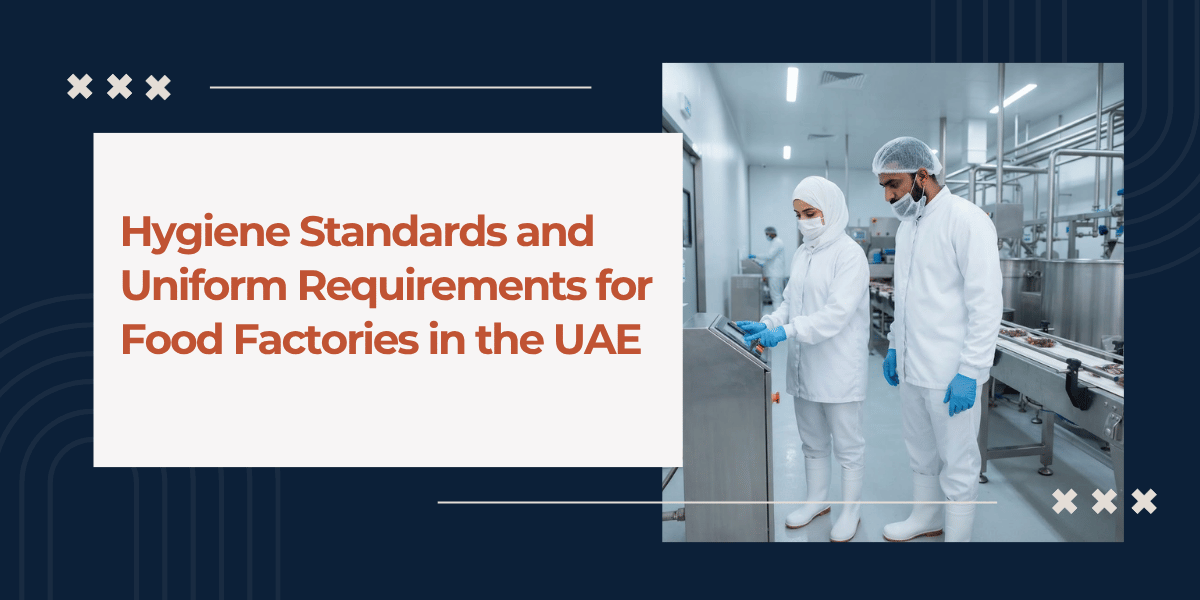
Food companies in the UAE that follow HACCP standards have specific uniform requirements.  And choosing the best fabric for food company uniforms is part of that; it’s not just an afterthought.

Polyester-cotton uniforms in the UAE are the go-to choice for a couple of reasons: they shed less lint and keep their color well.

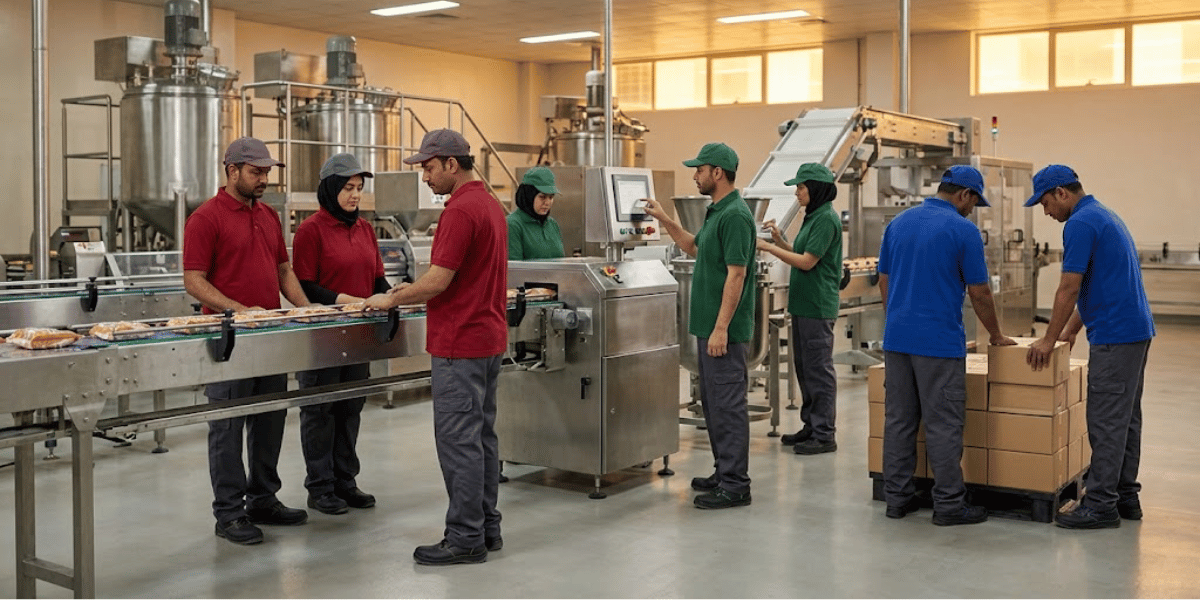
Colour retention: In HACCP-compliant facilities, colour coding uniforms in food processing is used to avoid cross-contamination between different areas. This system only works if the colors remain distinct. If a uniform fades, it raises questions: What zone is this worker in? Polyester-cotton holds dye much better, even after countless washes, whereas all-cotton items tend to fade, undermining the whole system.

The idea of colour-coded clothing for food safety is as follows:

4. Aprons and Headwear Compulsion in Food Hygiene

When it comes to food hygiene, the importance of aprons and headwear in food hygiene is all about preventing contamination from fibres and foreign materials. Low-quality fabrics can shed tiny fibres, which might end up in the food we eat.

That’s why polyester-cotton blends are preferred over pure cotton; they produce less lint. Pure cotton tends to lose fibers, and in a food production setting, those fibers can be considered contamination, something auditors definitely check for. Polyester-cotton blends, on the other hand, shed much less lint, which helps minimize that risk right from the start.

 In wet processing areas, aprons are often made from that same blend, sometimes with a waterproof layer on top. And of course, hairnets and caps are essential to complete the outfit.

In the UAE, many facilities that order custom food industry uniforms tend to get the whole package, like uniform, apron, and headwear, from one supplier. This way, they ensure consistent fabric and finishing throughout, which helps lower the risk of contamination and simplifies the purchasing process.

Polyster-Cotton Uniforms for UAE Food Companies

How to Choose a Uniform Supplier in the UAE

For procurement teams, local sourcing through a reliable uniform manufacturer in the UAE offers clear advantages over overseas suppliers:

When evaluating uniform suppliers in the UAE, ask for fabric composition certificates, wash-test data demonstrating color retention after 50+ cycles, and HACCP compliance documentation. And don’t forget to mention what you need for the essential features of food manufacturing uniforms. A supplier that cannot provide these should not be supplying food production facilities.

Conclusion

Choosing the right fabric is essential for maintaining hygiene, safety, and efficiency in food production environments. Polyester-cotton blends offer the ideal balance of comfort, durability, moisture management, and compliance with food safety standards, making them the preferred choice for UAE food companies. 

Their ability to withstand frequent industrial washing while retaining color and shape helps businesses reduce long-term uniform costs. 

As a trusted food manufacturing uniforms manufacturer, Silver Thread UAE provides high-quality solutions designed to meet industry requirements. 

Businesses looking to buy customized uniforms in the UAE can rely on Silver Thread UAE for durable, HACCP-compliant workwear tailored to their operational needs.

FAQs

Why are polyester-cotton blends preferred for food industry uniforms?

Polyester-cotton blends combine comfort, breathability, and durability for demanding food production environments. They resist lint, retain color, and withstand frequent industrial washing.

Are polyester-cotton uniforms suitable for hot UAE weather?

Yes, polyester-cotton uniforms are well-suited for the UAE's hot working conditions. They wick moisture, dry quickly, and provide breathable comfort throughout long shifts.

How durable are polyester-cotton uniforms for daily industrial use?

Polyester-cotton uniforms are highly durable and designed for intensive daily wear. They maintain their shape, color, and performance through repeated industrial wash cycles.