When selecting outfits for your team in the UAE, you often think lightweight vs. heavy-duty workwear is just about soft and hard fabric. But the reality is rather different. You also need to consider comfort, safety, and the long-term cost of reordering.
Previously, we explored the benefits of ergonomics in industrial workwear and highlighted the features of a good industrial uniform, including comfort, functionality, durability, and workplace safety. Today, we’ll take a closer look at another important consideration when selecting workwear: lightweight vs. heavy-duty workwear.
For outdoor work, lightweight workwear works best. However, heavy-duty workwear is necessary for industries that demand outfits to withstand high abrasion or high hazards. Understanding the difference helps you make a more informed decision.
What Is the Difference Between Lightweight and Heavy-Duty Workwear?
Fabric weight is given in grams per square meter (gsm. These ranges are indicative and differ by uniform manufacturers in the UAE:
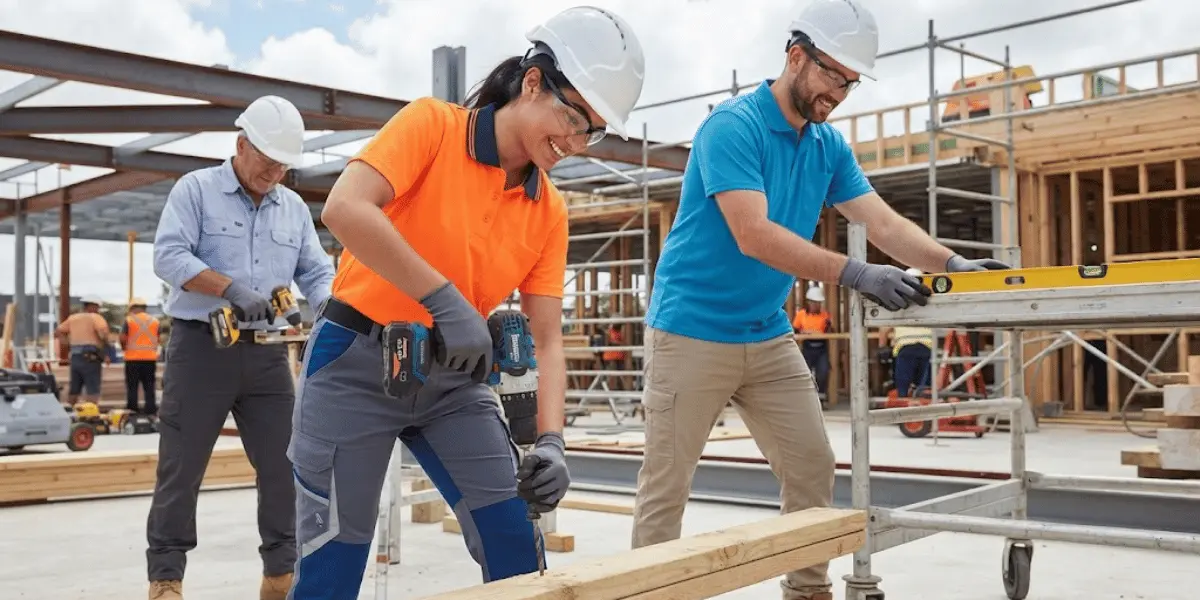
Lightweight Clothing: Around 150 to 220 gsm, typically polycotton or cotton blends. They breathe well and are easy to move about in.
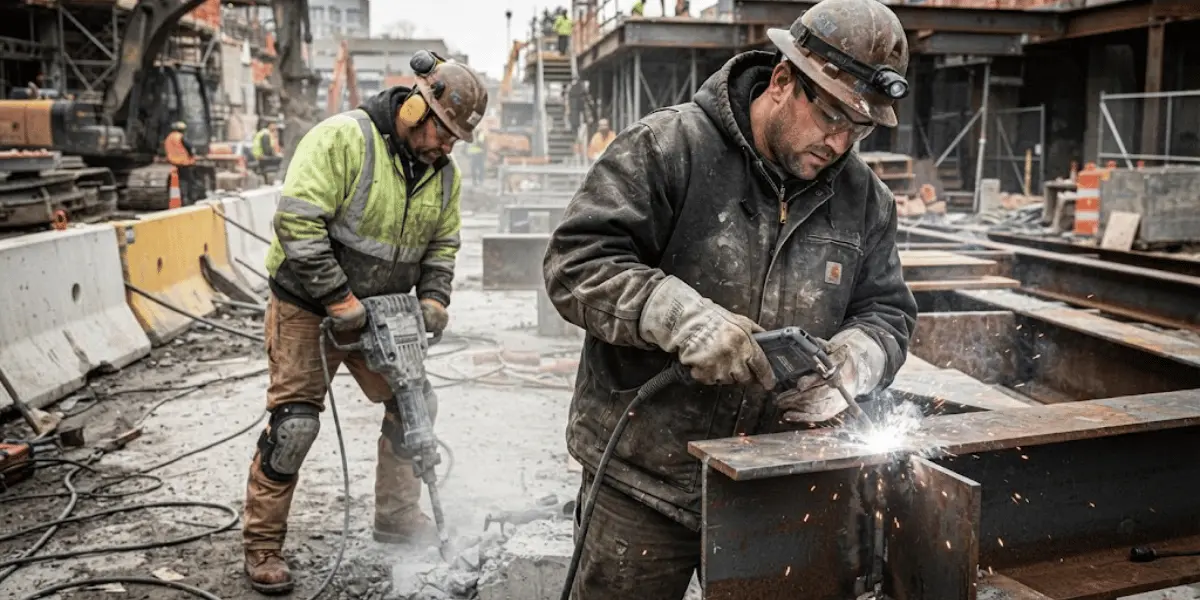
Heavier Garments: Circa 250 gsm and up, typically cotton drill, canvas, or treated fabrics. They resist abrasion and wear better, but they hold more heat.
Construction: Heavy-duty items often feature reinforced knees, extra stitching at stress points, and thicker seams.
Cost: Heavier garments may cost more upfront but tend to last longer.
Match Uniforms to Hazards, Not Job Titles
Two people with the same job title may need different clothing. A welder working in an air-conditioned workshop is subjected to a different heat load than a welder working on an open site. Ask three questions about each role:
What could injure this person (sparks, chemicals, cars, machinery)?
How long do they spend with [them] each day?
Are they inside, outside, or both?
This is why workwear for different working conditions functions best as a tiered system rather than a single uniform.
Where Each Type Fits Best
Lightweight workwear is suitable for warehousing, logistics, facility maintenance, hospitality back-of-house, and indoor, air-conditioned roles. Cooler workers tend to be more alert and move around more freely.
Heavy-duty workwear suits welding, fabrication, oil and gas, and heavy maintenance where abrasion, heat, or splash are part of the job.
Construction worker uniforms tend to be in the middle – mid-weight, high-visibility trousers and shirts with heavier stuff added for specific trades.
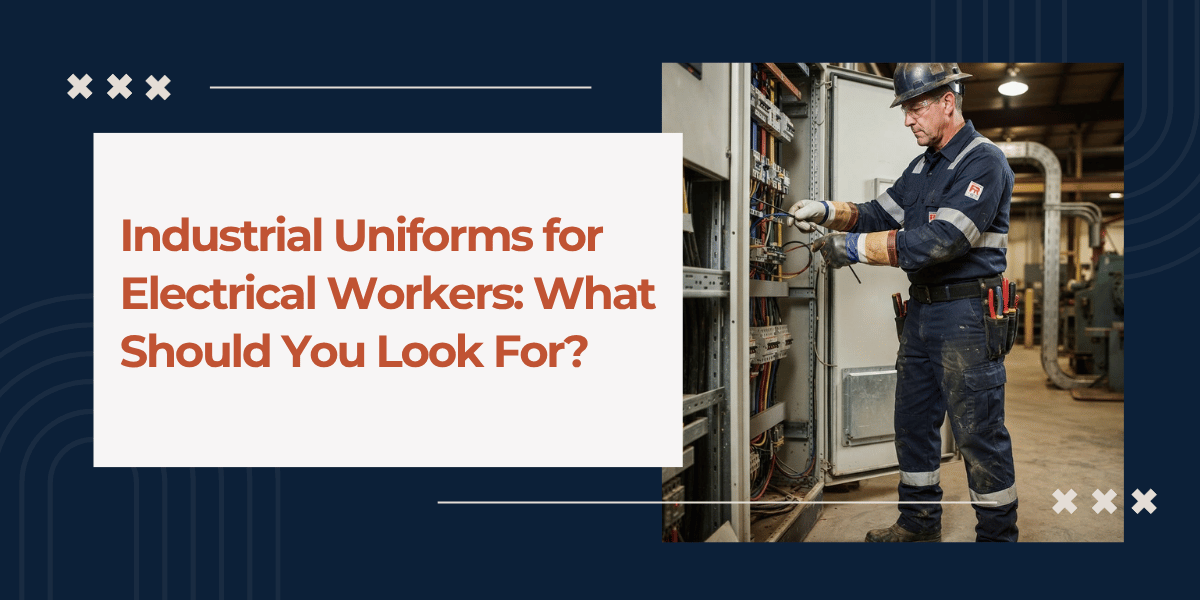
Industrial coveralls are common in mechanical and electrical work, covering the body and reducing the amount of loose fabric near machinery. They come in both weights, so check the spec.
How to Choose the Right Workwear for Your Team
How do I choose the right workwear for my team? Here’s a simple method to tackle this:
Identify Top Three Hazards: Start by listing the top three hazards associated with each role (like heat, abrasion, chemicals, sparks, etc.).
Evaluate Hazard Intensity: Next, evaluate the physical intensity of these hazards: categorize them as low, medium, or high.
Connect GSM to Hazards and Climate: Finally, connect the General Safety Measures (GSM) to the identified hazards and the climate they’re in.
Hot, high abrasion → 220–300 GSM with reinforcements.
High thermal/flame risk → heavy, compliant FR fabrics as required.
Check Compliance: Ensure the fabrics and garments meet the required industrial uniform and Compliance standards.
Pilot and Measure: Run a trial with two different options (like 180 GSM vs 240 GSM) for a period of 2 to 4 weeks. Watch for heat discomfort, tears, performance after washing, and gather feedback from workers.
Industrial Workwear Safety and Compliance
Just because something is heavy doesn’t mean it’s protective. Take cotton drill, for example: it’s tough, but it doesn’t automatically come with flame resistance. When it comes to industrial uniforms and compliance, make sure you’re looking for certifications that match the hazards you’re dealing with:
EN ISO 20471: For high-visibility clothing
EN ISO 11611: For welding and related processes
EN ISO 11612: For heat and flame protection
Don’t forget to ask for test certificates and double-check the requirements with your HSE team and industrial uniform supplier. Think of industrial uniforms and safety gear as a significant safety investment, not just another clothing order.
And keep in mind that in the UAE, the midday outdoor work break has typically been from 12:30 pm to 3:00 pm between June 15 and September 15 in recent years. Be sure to verify the current regulations before scheduling those summer shifts.
Lightweight vs. Heavy-Duty Workwear: Making the Final Call
Deciding between lightweight and heavy-duty workwear isn’t just about choosing one option for the entire company. It’s about tailoring fabric weight, construction, and features to the specific hazards of each job and the UAE climate.
For most operational teams, a thoughtfully chosen lightweight or medium-weight system can improve comfort and boost productivity.
Other roles with high abrasion and significant risks need true heavy-duty garments. By understanding the nuances of lightweight vs. heavy-duty workwear through verified GSM data, wash-cycle performance, and hazard mapping, you can ensure your uniforms protect workers while keeping them cool.
Conclusion
Choosing between lightweight and heavy-duty workwear requires more than comparing fabric weights. Businesses must consider workplace hazards, climate, comfort, durability, and compliance before selecting garments.
The right workwear can improve employee comfort while providing appropriate protection for demanding tasks. For businesses seeking reliable uniform suppliers in the UAE, Silver Thread UAE offers practical solutions tailored to different industries and working environments.
What factors should businesses consider when choosing workwear?
Businesses should consider workplace hazards, climate, fabric durability, comfort, required certifications, and garment construction. Employee feedback can also help identify practical improvements before larger purchases.
Is lightweight workwear suitable for industrial environments?
Lightweight workwear can suit lower-risk industrial environments, especially during hot weather. However, higher hazards may require heavier fabrics, reinforcements, specialized treatments, or certified protective garments.
How often should industrial workwear be replaced?
Replacement depends on fabric quality, washing frequency, workplace conditions, and visible damage. Regular inspections help determine when garments no longer provide sufficient comfort, durability, or protection.