Start with your own site, then move to the supplier. Most bad orders come from skipping the first part, so the opening questions are for your safety team, not the vendor.
1. What Hazards Will the Uniform Face?
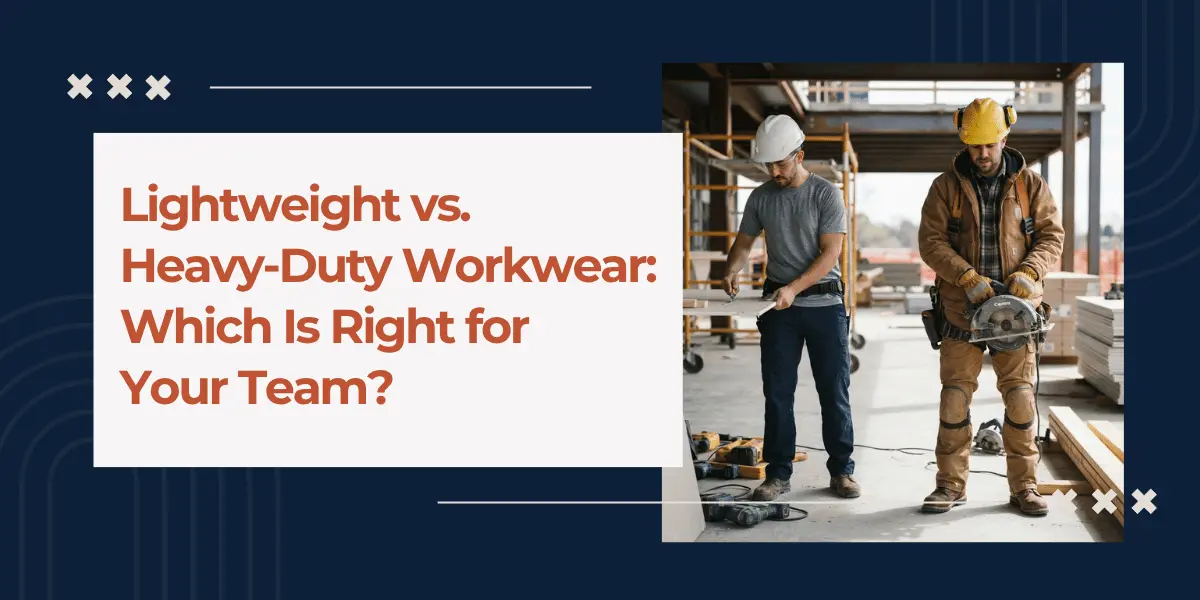
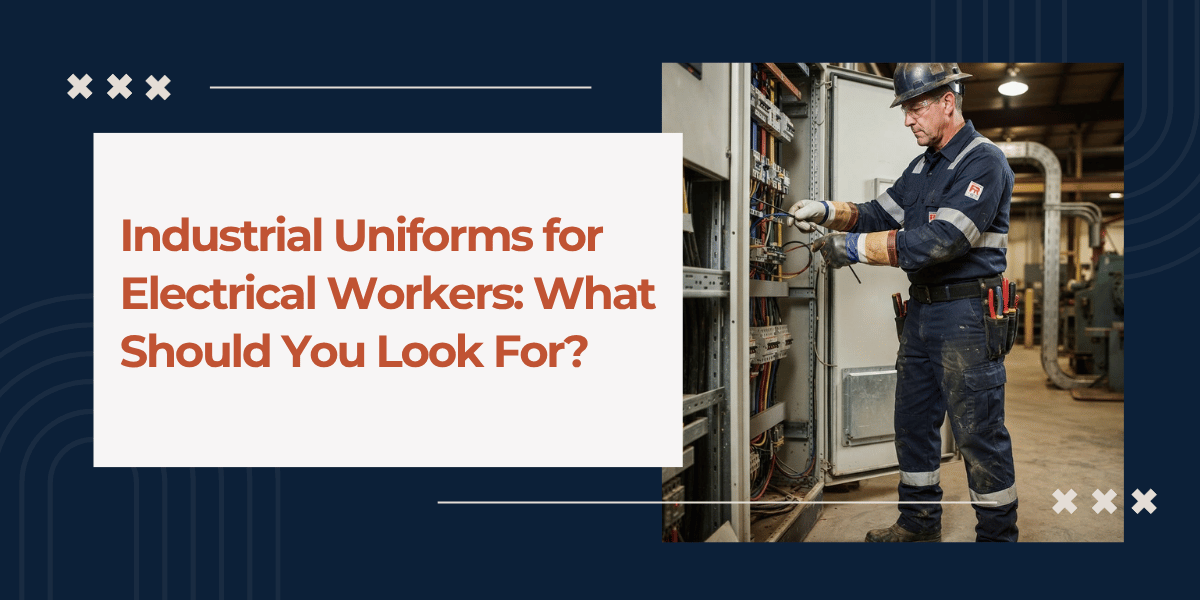
Write the risk down before you look at samples. Heat, sparks, chemicals, oil, moving machinery, and low light require different garments. Industrial workwear safety is about matching fabric and design to those risks, not simply going for the heaviest option.
A welder requires flame resistant fabric. Most warehouse workers need high-visibility workwear and space to move. Give your supplier the hazard list and let them answer it.
2. Can the Supplier Customize the Order?
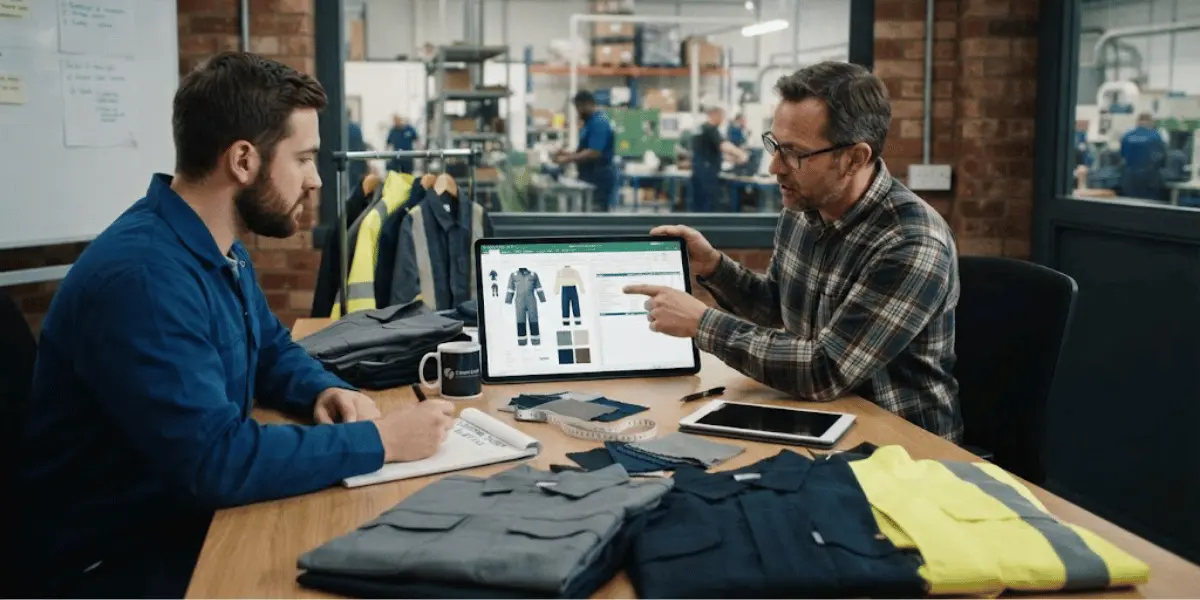
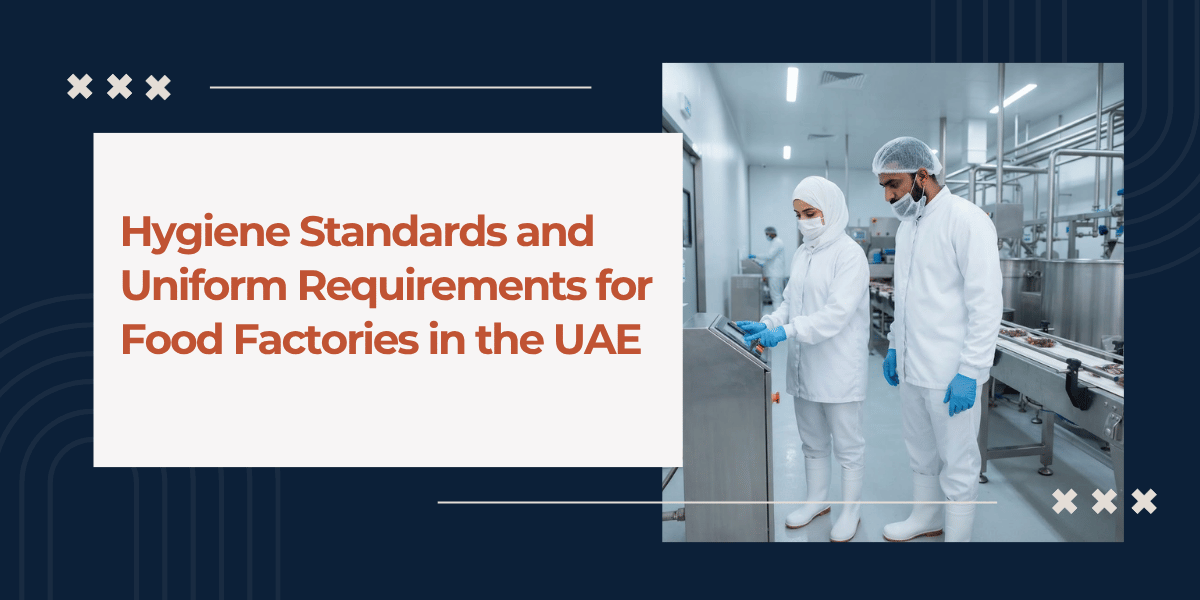
Custom industrial uniforms typically include logos, company colours, and name tags. Embroidery or print for branding? How closely can they match your brand colour? Will the logo placement avoid reflective tape in industrial uniforms? If you are buying customized uniforms in the UAE, ask for a pre-production sample to sign off before the full run starts. Changing a logo after 500 garments are stitched is costly.
Some customers want to source industrial uniforms & safety wear. Ask if they offer a bundle of boots, gloves and helmets. See if you can split the order and get the same price.
3. Which Fabric is Appropriate for the Job?
Fabric selection affects comfort, longevity, safety, and long-term cost. Ask uniform suppliers in the UAE about the material composition, fabric weight, stitch quality, colour fastness, shrinkage rate, and resistance to frequent washing.
Cotton is comfortable and breathable in hot conditions, but poly-cotton blends are often more durable and easier to maintain. Some operational environments require flame-resistant, anti-static, water-resistant and chemical-resistant fabrics.
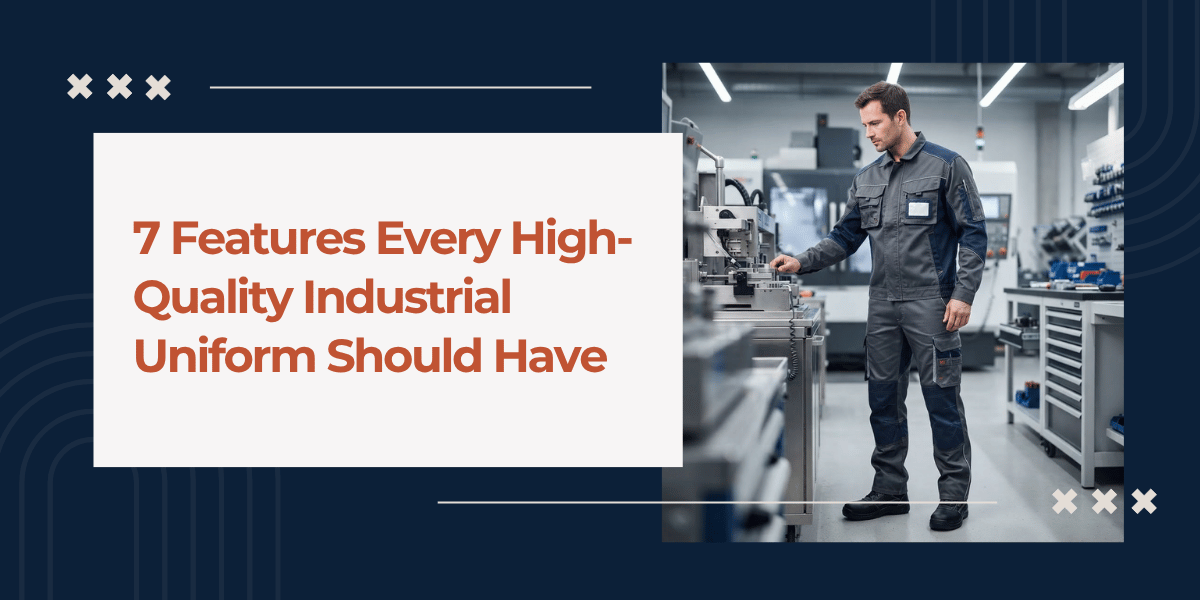
The features of a good industrial uniform should be well explained by a supplier. Reinforced seams, secure closures, practical pocket placement, breathable panels, strong zips, adjustable cuffs, and resistance to wear and tear in the workplace are some of the features.
If you choose a cheaper fabric without checking these details, you may end up with faded colours, torn seams, uncomfortable fits and frequent replacement costs.
4. Are the Uniforms Designed for Movement and Comfort?
When employees are in industrial clothing for eight to twelve hours a day, comfort is key. If uniforms are too tight, trap heat, feel heavy, or don’t fit well, they can hurt both productivity and employee morale.
That’s why the benefits of ergonomics in industrial workwear are so crucial. Ergonomic workwear is crafted to support natural movement, incorporating features like flexible fabric panels, articulated knees, gusseted crotches, adjustable waists, stretch sections, and well-placed pockets. It’s worth asking if you can get samples for wear testing.
Letting a small group of employees put the garments through their paces- lifting, bending, climbing, driving, kneeling, or operating equipment- will yield feedback that’s far more valuable than just choosing a design from a catalog.
5. What Sizes, Fits, and Employee Requirements Should be Included?
Bulk ordering can get pretty complicated if you rush through the sizing. Be sure to ask for a detailed size chart and confirm whether the supplier has options for men’s, women’s, regular, slim, tall, and plus-size fits.
A uniform that fits one person perfectly might not work for someone else. Before you settle on quantities, set up a size collection process. This should list employee names, their departments, the types of garments they need, their sizes, and any individual requirements. It’s also a good idea to order a few extra popular sizes to cover new hires, replacements, and any needed adjustments.
For roles like site supervisors, engineers, security teams, and those needing construction worker uniforms, you may need to include various uniform categories in the same order. This could mean industrial coverall uniforms, trousers, shirts, jackets, safety vests, polos, caps, and weatherproof outerwear.
6. Can the Uniforms be Customised Correctly?
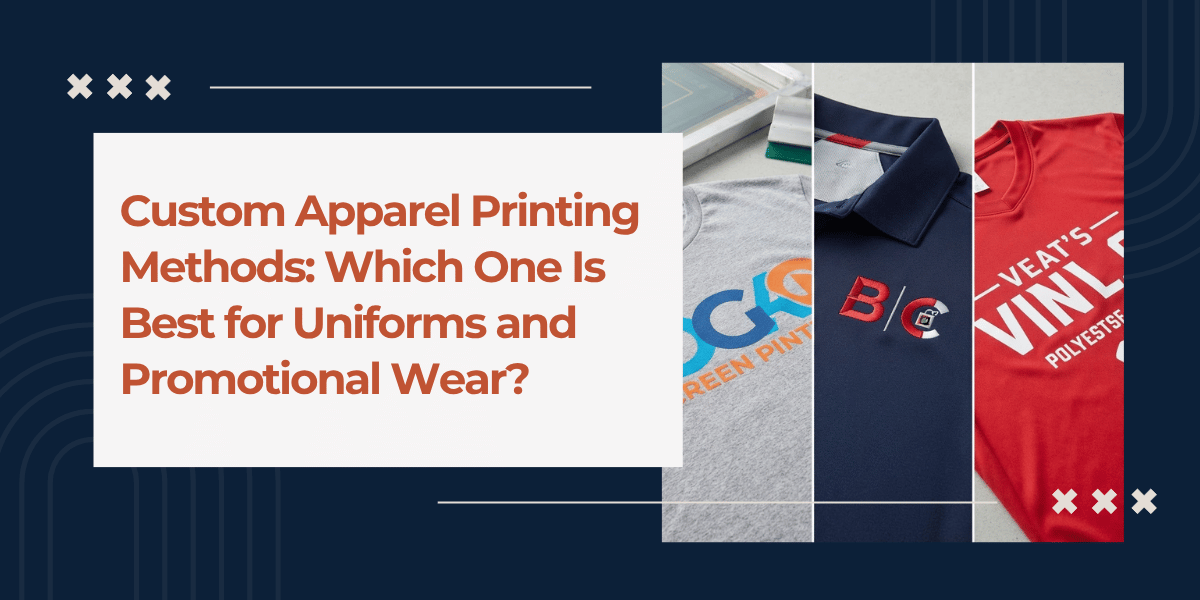
Branding is important, but it should never compromise the performance or safety of your garments. Ask about logo placement, embroidery, screen printing, heat transfer, name tags, department labels, color matching, and logo durability.
If you’re in the UAE and looking to buy customized uniforms, make sure to ask for a digital mock-up and a physical sample before giving the green light for mass production. This way, you can avoid issues like incorrect logo colors, subpar embroidery quality, oversized branding, or unsafe placements over reflective strips.
When it comes to custom industrial uniforms, don’t forget to check if customization will impact lead times, minimum order quantities, pricing, or washing instructions. If your company has several branches or departments, it’s a good idea to set standard branding guidelines to ensure every employee gets a uniform that looks consistent.
7. What Should I Check before Placing a Bulk Order for Industrial Uniforms?
Hold off on signing until you have an approved sample in hand, test certificates filed away, a confirmed size run, and written terms covering lead time, defects, and reorders. The quoted unit price should specify what it covers. If any of these pieces are missing, your order isn’t ready yet.