In any stage of life, the ones that do the most work are often the first ones to get ignored, too. The same goes for the hospitality staff who work behind the scenes. You enter the hotel lobby, and you can see the professionally tailored blazers and polished name badges on the crisp suits.
But the ones running the operations are nowhere to be found, yet they are holding the hotel together. So, the uniforms for both are equally significant; keeping one on hold won’t save you any budget.
With evolving Hotel uniform trends, hospitality businesses are now focusing equally on style, comfort, safety, and functionality across all departments. Modern hotels understand that both front-of-house and back-of-house uniforms contribute to staff confidence, operational efficiency, and the overall guest experience.
Why do we say so? Let us further explain the difference between back-of-house and front-of-house uniforms.
Front of House vs Back-of-House Uniforms: The Core Difference
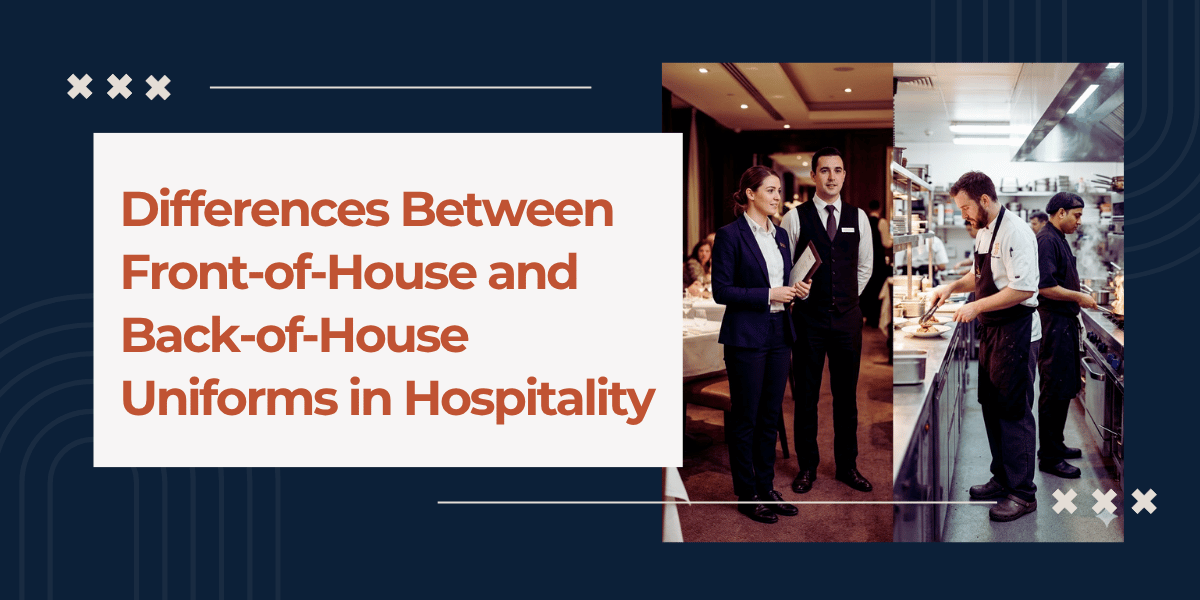
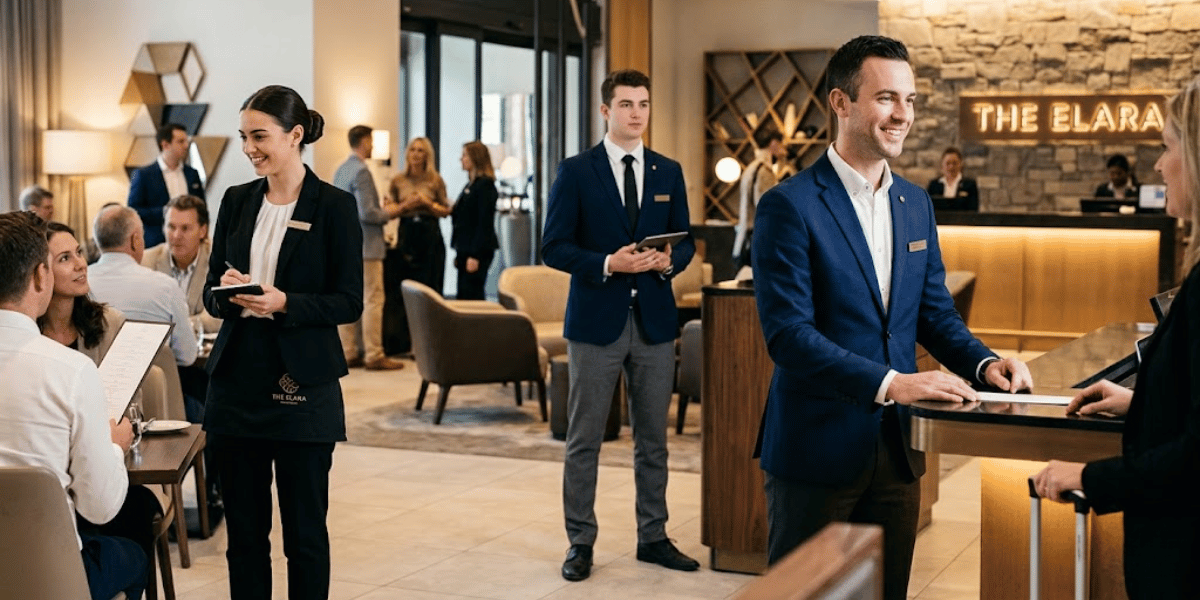
The front of house ( FOH ) staff are the ones who see the guests. The uniform is part of the brand.” What a concierge or front desk agent wears in a hotel speaks volumes about the property’s positioning before a word is even spoken. The cut, color, and weight of the fabric all indicate whether a guest has stepped into a budget property or a five-star experience.
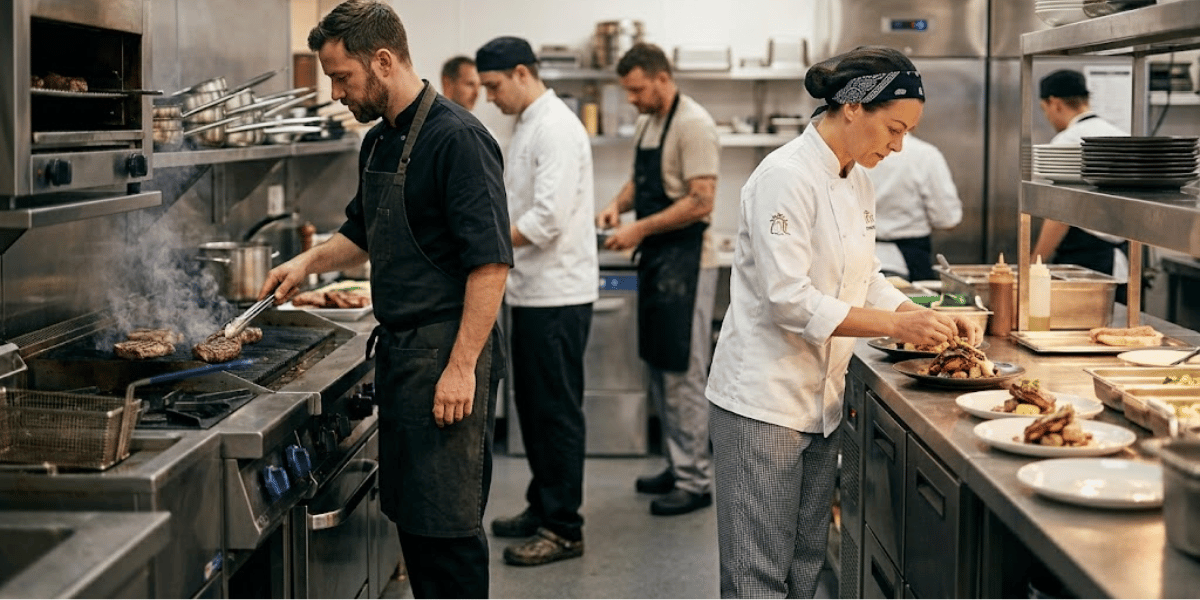
The back-of-house (BOH) staff work in the areas that guests never see. Kitchens, laundries, loading docks, and mechanical rooms. Their uniform has to answer a different question: can this person safely and comfortably do this job for eight hours?
These priorities do not compete. They are different ones. The problem with procurement is that it is treated as a single category.
But here are the hospitality staff uniform differences:
Front-of-House: Style With Structure
FOH uniforms are designed with aesthetics in mind, but that doesn’t mean they forget about comfort. The best hotel staff uniform for the front of house is a balance between the two. Some common priorities include:
Color and brand alignment: Uniforms usually correspond to or complement the hotel brand palette
Fabric weight: Heavier structured fabrics that hold their shape over a long shift
Fit and tailoring: FOH staff are frequently standing or walking around public areas, and a poor fit to uniforms looks unprofessional to guests
Seasonal adaptability: Today’s hotel uniform dress is designed around climate-controlled environments, with built-in layering options
Accessories: Name badges, scarves, ties, and branded lanyards are part of the uniform system, not extras
In the UAE in particular, there are often standards for hotel management uniformsthat reflect local cultural norms of modesty and presentation. Uniform suppliers in the UAE have shifted to modular systems, a base uniform with culturally appropriate variations, rather than a single rigid design.
Back-of-House Uniforms: Function First
Back-of-house uniforms have a different priority: they’re all about the job. A chef’s jacket isn’t just for looks; it’s designed for performance. The double-breasted style helps conceal stains, while the heavy cotton fabric offers protection from steam burns. And those long sleeves? They’re there for safety, not just to look formal.
When you really consider the needs of back-of-house operations, the discussion about functional vs. stylish uniforms becomes pretty straightforward. These uniforms should:
Safety first: Uniforms need to be heat-resistant for kitchen workers, with non-slip shoes and cut-resistant gloves where necessary.
Durable for the job: Back-of-house uniforms get washed in commercial laundry every day, so they need to be tough rather than just looking good.
Comfortable to move: Since kitchen staff are always bending, lifting, and moving around, tight cuts can be dangerous.
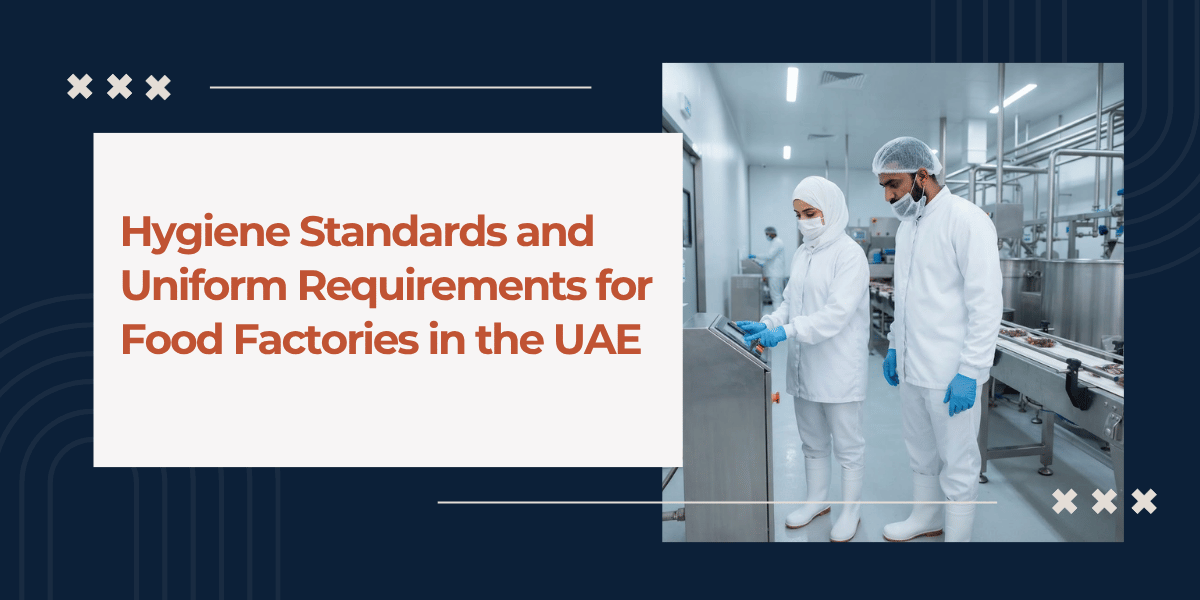
Hygiene visibility: Light-colored uniforms in kitchens make contamination easy to see, which is why white chef's coats are still the go-to choice.
Practical features: Items like chest pockets, utility loops, and reinforced knees are great for housekeeping staff.
In UAE hotels, particularly the larger luxury ones, hospitality staff uniforms are increasingly mirroring international safety standards in back-of-house settings, which is especially true for kitchens that adhere to HACCP protocols.
Where the Lines Blur: FOH and BOH uniform requirements
Some jobs really connect the front and back of a business. Take a restaurant server, for instance, they’re running between the dining area and the kitchen multiple times during a shift. Then there’s the hotel room attendant who might greet guests while moving through the hallways. These positions call for a mix of different ways of thinking.
A common question for restaurant operators running full-service dining is the dress code for front- and back-of-house staff. A practical solution could be to give the waitstaff uniforms that look appropriate for guests in the dining area, but have practical features suited for the kitchen, such as breathable fabrics, sturdy pockets, and non-slip shoes.
As the trends of Modern hotel uniforms 2026, you need custom supplies for every department, including FOH and BOH.
The good news is that more and more manufacturers are creating custom hospitality uniforms that use a modular approach. They have mastered the art of creating a professional-looking outer layer that meets guest expectations, paired with functional underlayers and footwear that withstand the physical demands of the job.
Procurement Considerations for Hotels
When hotels are looking to create or update their uniform programs, there are some practical tips worth considering from the perspective of a uniform procurement guide for UAE hotels:
It’s important not to use a single specification for all departments.
Think about the numbers regarding volume and durability.
There are definitely benefits to sourcing locally.
Consider a range of fits for different staff.
And remember, compliance should take priority over looks for back-of-house roles.
Conclusion
Choosing the right uniforms for both front-of-house and back-of-house teams is essential for maintaining professionalism, safety, and operational efficiency in hospitality businesses. While FOH uniforms focus on presentation and branding, BOH uniforms prioritize durability, comfort, and protection.
Hotels and restaurants that invest wisely in department-specific attire create a better experience for both guests and staff. If you are looking to buy customized uniforms in the UAE, partnering with a trusted uniform manufacturer such as Silver Thread UAE ensures quality, functionality, and style.
Understanding the importance of the restaurant’s front- and back-of-house dress code also helps hospitality businesses create a professional, practical, and brand-consistent appearance across every department.
FAQs
Why are front-of-house and back-of-house uniforms different?
Front-of-house uniforms focus on appearance, branding, and guest interaction. Back-of-house uniforms prioritize safety, durability, and comfort for physically demanding hospitality operations and kitchen environments.
What should hotels consider when choosing hospitality uniforms?
Hotels should evaluate comfort, durability, safety requirements, and brand identity before selecting uniforms. Department-specific designs significantly improve staff performance, professionalism, and long-term operational efficiency.
Why choose customized hospitality uniforms in the UAE?
Customized uniforms help businesses maintain consistent branding while meeting functional staff requirements. Local UAE manufacturers also provide faster delivery, fittings, and ongoing uniform support services.