Your corporate image depends on the efficiency of your services and the branding you have done so far. People know you, love you, and keep coming back because they remember your branding style as either perfect or mostly convincing. Now, does it start with the advertising? Maybe a few billboards, commercials, or social media.
Previously, we explored the importance of corporate uniform color psychology and discussed some of the latestcorporate uniform trends shaping modern workplaces. We learned how colors influence customer perceptions and how evolving uniform styles help businesses create a professional and memorable brand identity.
Today, we will focus on another important aspect of workplace branding: how uniform design helps maintain a consistent corporate image.
When a customer is visiting, the uniforms do most of the job even before the salesman or representative speaks or asks anything.
So, how can you make your uniform design appealing enough to maintain a convincing corporate image?
How to Maintain a Consistent Corporate Image through Uniforms – Tips
Here is your way to go for a consistent brand image through uniforms, all the while keeping them according to corporate apparel design for 2026:
1. Start With Your Brand Identity, Not Your Catalog.
Before deciding on fabrics or styles, go back to basics:
What does your brand mean?
Who are your clients?
What emotion should one feel upon entering your space?
A law firm and a beachside resort are both “professional,” but the world has completely different meanings for each. Discipline and limits are necessary. The other needs warmth and comfort. So, to choose the best fabric for corporate uniforms, you must understand the industry’s needs.
Uniform vs dress codes are worth thinking about here, too. A dress code (e.g., “business casual”) provides general guidelines, but leaves room for personal interpretation. The uniform takes all the guesswork out of it. If brand consistency is important to you, uniforms give you a lot more control.
2. Color Isn’t Just Decoration.
The psychology of corporate uniform colors is a real factor, not just a design trend. Colors signal before anyone reads a word:
Navy and grey imply reliability and structure.
Green often links up with wellness or sustainability brands
Warm tones like terracotta or mustard seem friendly, and are often used in hospitality and retail
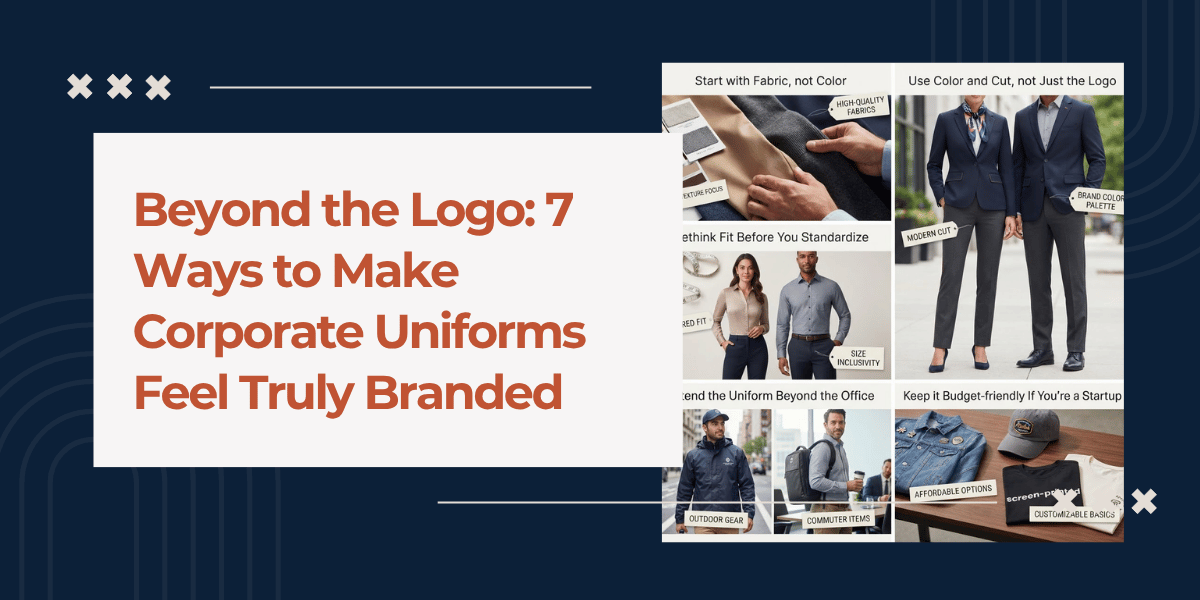
Match your uniform colors with your existing brand palette. If your logo is blue and gold, your uniforms shouldn’t suddenly be black and red. Consistent signage, interiors, digital presence, and uniforms make a corporate image feel intentional and not incidental.
3. Logo Placement Matters More Than People Think.
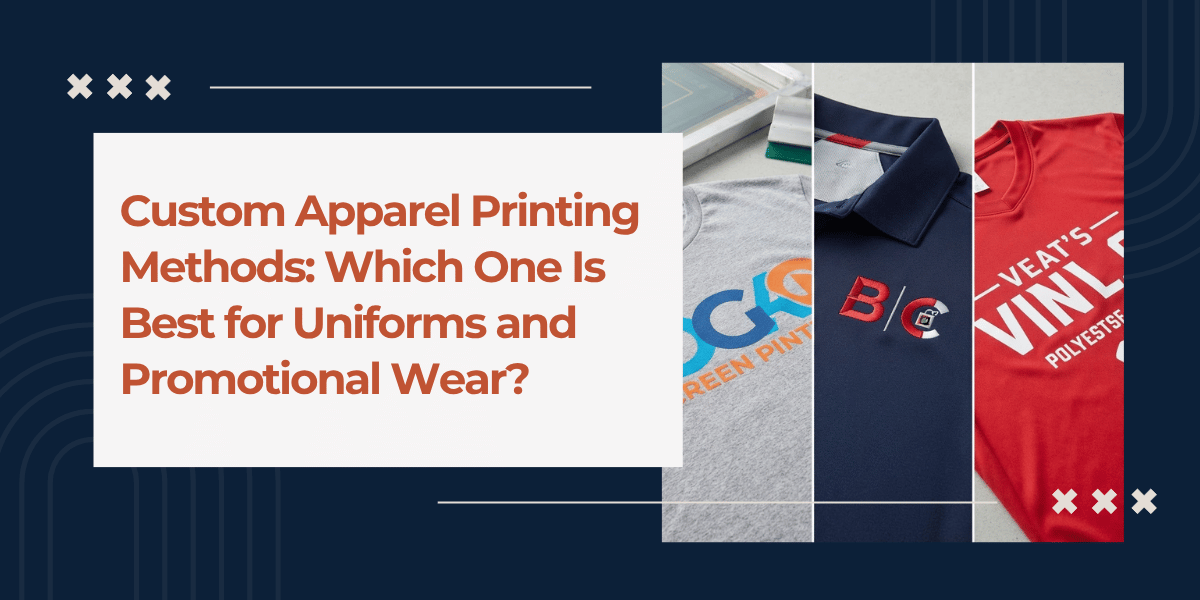
A cheap-looking logo is stuck on every visible surface. A well-placed logo looks high-end. Left-chest placement is standard for a reason: it’s visible without being loud.
The size should suit the garment and not overpower it
Embroidery generally appears more sophisticated than printed logos on uniforms
4. Fabric Choice Affects More Than Comfort.
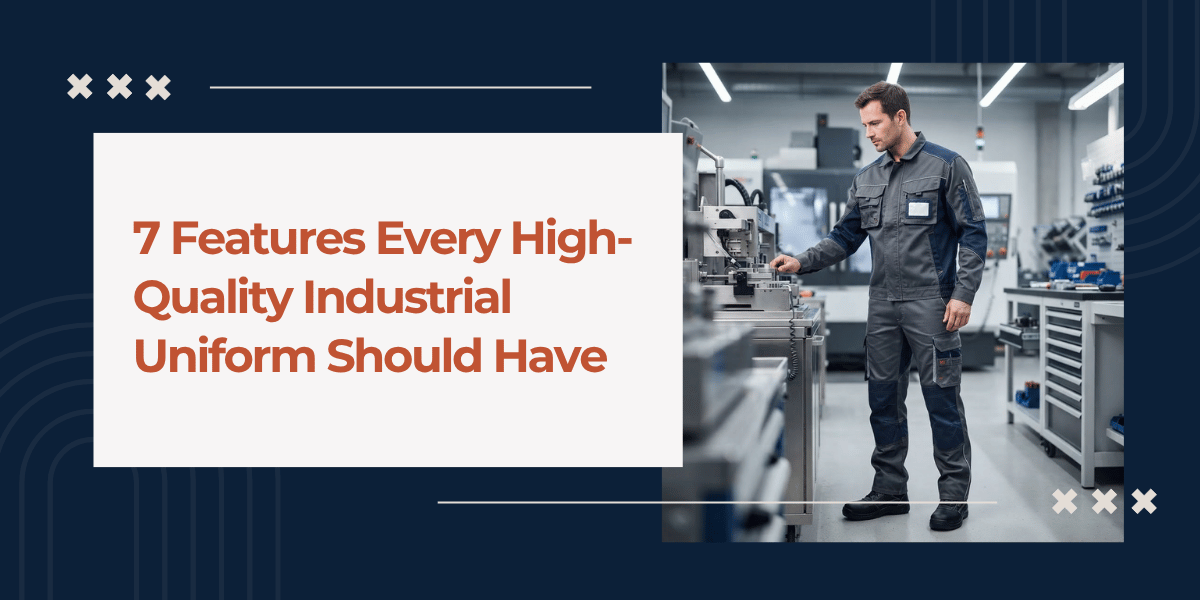
Choosing the right fabric for corporate uniforms really depends on where people are working, but there are a few key qualities that are important no matter the setting:
Breathability, so folks can wear them all day without feeling stuffy.
Durability, especially since they'll need to withstand frequent washing.
Easy-care features mean less ironing and quicker turnaround times.
When it comes to fabric types for uniforms, you often see:
Cotton blends: They're breathable and comfy, making them great for office environments.
Polyester blends: These are wrinkle-resistant and tough, perfect for spots like hospitality and retail.
Performance fabrics: Designed to wick moisture away, they're ideal for active roles, such as delivery or fieldwork.
If your team is on their feet all day, comfort is a must. When uniforms are uncomfortable, they often don’t get treated well, and that really shows.
5. Sustainability Is No Longer a Nice-to-Have
More and more companies are realizing that sustainable corporate uniforms are what people expect these days, especially from younger workers and eco-conscious clients. It doesn’t have to be a complete transformation all at once, though. Even small changes can really help:
These trends align with what’s happening in corporate uniforms as we approach 2026. Buyers are getting more serious about asking suppliers where their materials come from and how the clothes are produced. Brands that can confidently answer those questions tend to come off as more reliable, which ultimately boosts their corporate image.
6. Get the Details Right, Every Time.
Even small inconsistencies can really stand out. Like, if one batch of shirts has buttons or thread colors that don’t quite match the previous batch, it can be pretty obvious, especially when customer-facing teams are photographed or seen together.
Make sure to keep an eye on things like:
The finishes on buttons and zippers
The color of the stitching thread
The styles of collars and cuffs
Consistent sizing across different batches
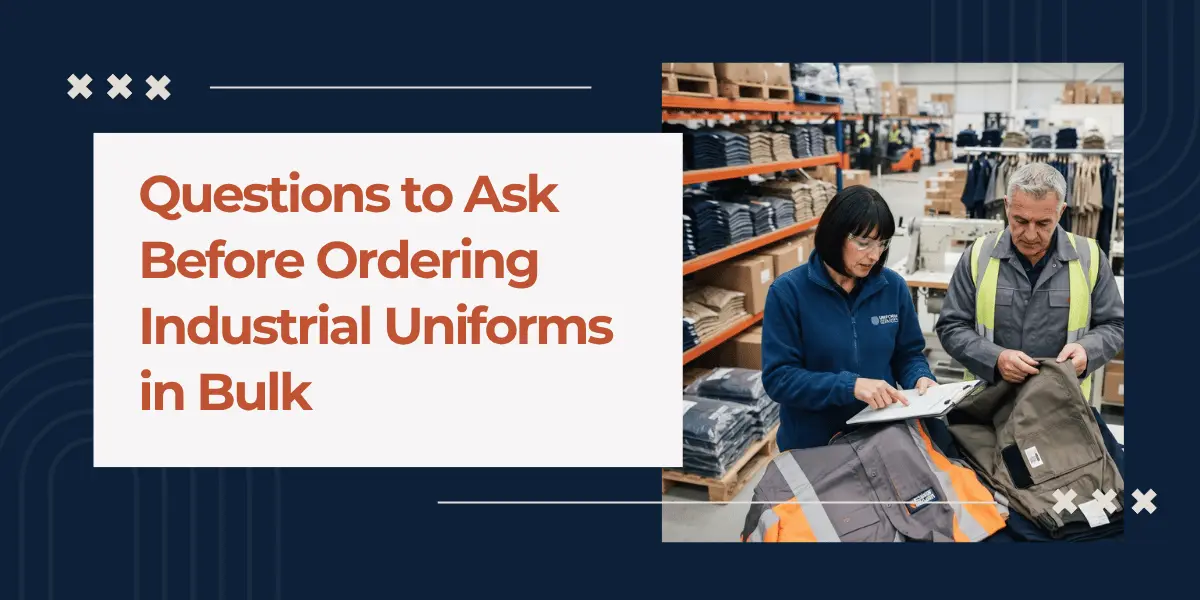
That’s why it’s so important to have a solid plan for reordering corporate uniforms. You want to partner with auniform manufacturer in the UAEthat keeps detailed specs on hand, so that when you place reorders, they match the original shirts perfectly, even years down the line.
7. Get Your Team Involved.
Uniforms can really help with branding, but only if employees actually want to wear them. Getting staff involved from the start, such as through fit trials, comfort checks, or style selection, can really make a difference.
Make sure to provide a variety of sizes and fits, including choices for different body shapes.
Test the fabrics in real work situations before making any decisions.
When employees feel good and comfortable in their uniforms, they wear them with more confidence. That confidence shines through to customers and ultimately impacts your company’s image.
Conclusion
Maintaining a consistent corporate image through uniform design requires more than simply choosing matching clothing. Every element, from colors and logos to fabric selection and fit, should reflect your brand identity and reinforce a professional appearance. Well-designed uniforms help create trust, improve employee confidence, and strengthen brand recognition among customers.
For businesses looking to buy customized uniforms in the UAE, partnering with an experienced supplier is essential. Silver Thread UAE delivers high-quality uniform solutions tailored to different industries.
How do uniforms contribute to a consistent corporate image?
Uniforms create a professional and recognizable appearance across the workforce. They reinforce brand identity and help customers associate employees with the company.
What elements should be included in a corporate uniform design?
Corporate uniforms should include brand colors, logo placement, suitable fabrics, and comfortable fits. Consistent styling and quality materials also support professionalism.
How often should companies update their employee uniforms?
Most companies update uniforms every two to five years. However, replacements may be needed sooner due to wear, branding changes, or operational requirements.