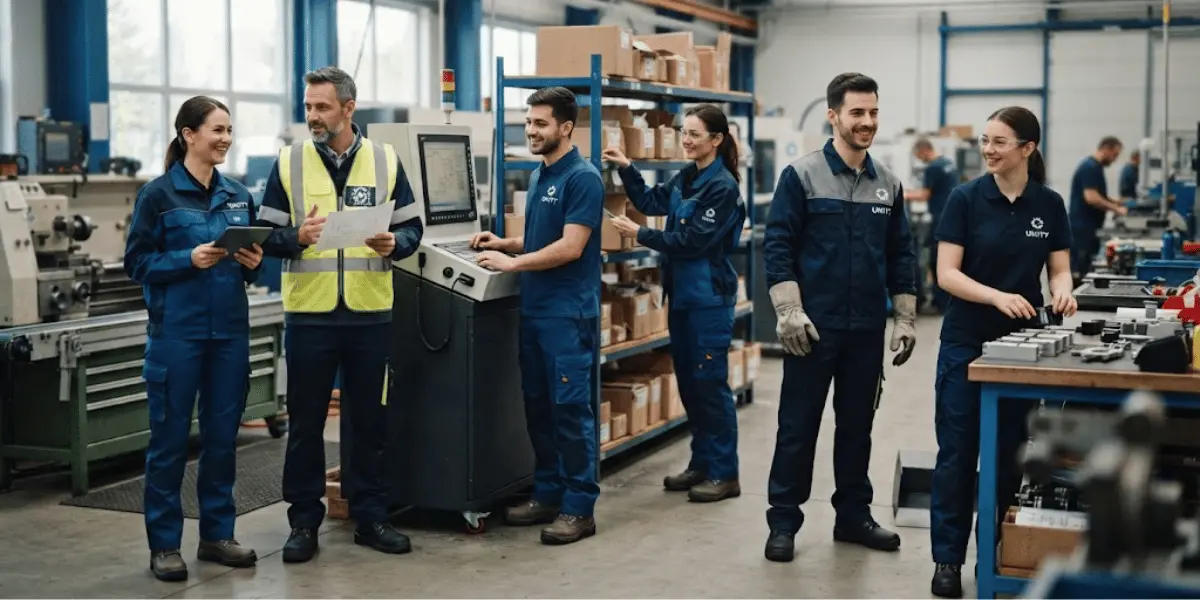
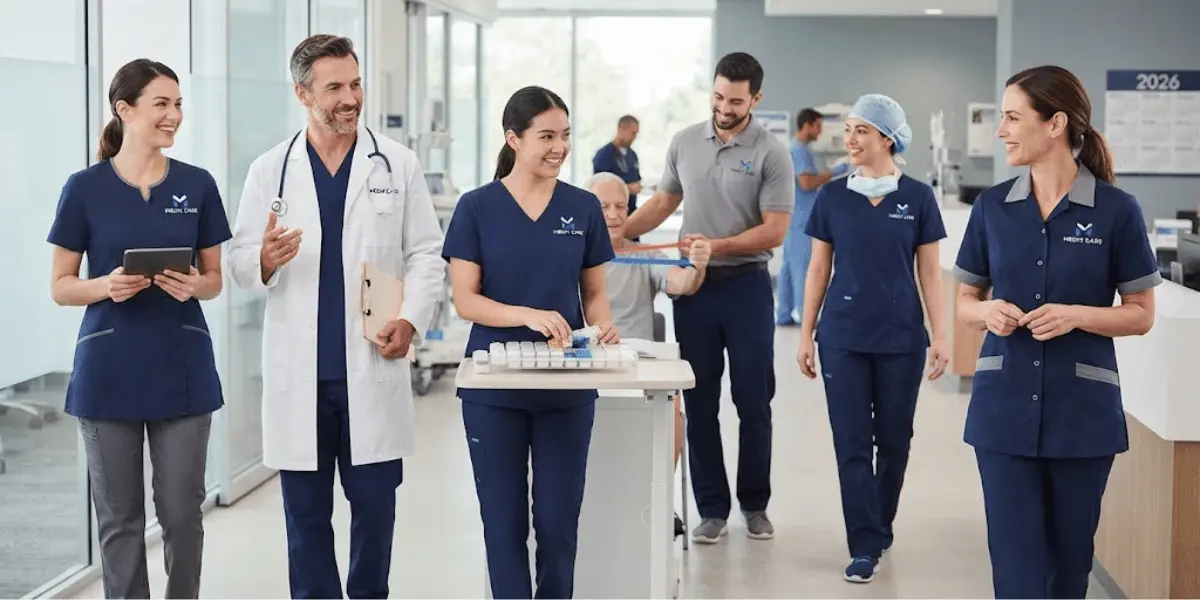
If you ask your employees, you will find that they no longer like a stiff, logo-slapped company polo. Work uniform trends in 2026 are different, and employees prefer comfort over any professional feel. So, smart businesses are making decisions based on this while trying to minimize costs. Besides, preference is the core theme this year.
It is no longer about “dressing up, but comfort”. So, what are employees asking for in work uniforms? Here is what you need to know.
What Employees Want In Work Uniforms?
Comfort is now more important than conformity for most employees. People want clothes that work with them for a whole shift, not against them.
Stretch fabrics, often 4-way stretch, for mobility
Moisture-wicking, quick-dry fabrics for physical work
Kitchens, warehouses, and other high-heat areas with breathable mesh panels
Wrinkle-resistant finishes so clothes look fresh without the ironing
Lightweight layering for wear from a morning meeting to an evening shift
Tailoring has relaxed, too. Stiff, fused suits are giving way to knit blazers, relaxed trousers and soft-shell jackets. Cardigans, polos and sweaters now do the job a rigid blazer used to, and people actually wear them, because they want to, not because policy says so.
How to Choose Comfortable Employee Uniforms?
Here are some factors you need to keep in mind when ordering work uniforms from uniform suppliers in the UAE.
1. Comfort Is Non-Negotiable
Comfort-driven design, not conformity, is now the top priority. Employees want uniforms that move with them through long shifts, not garments that confine them. Features that used to be exclusive to performance wear are now baseline expectations, not premium upgrades.
What employees want:
Stretch fabrics and 4-way stretch for flexibility.
Quick-drying, moisture-wicking fabrics.
Breathable mesh panels in high heat zones.
Crinkle-resistant finishes and lightweight layering.
Soft and breathable fit. It stays strong even from the 9 am call time to the 5 pm commute.
2. Relaxed Tailoring Over Stiff Suits
Rather than stiff, fused suits, employees love knit blazers with relaxed trousers and soft shells. They love:
Loose silhouettes
Stretchy waistbands
Unstructured jackets
Smart-casual pieces (such as cardigans, polos and sweaters)
Staff want uniforms that respect different body shapes and cultural preferences. Unisex and gender-neutral options ensure that each employee feels comfortable and represented.
4. Modular Systems and Layering
The days of the one-size-fits-all program are numbered. By 2026, forward-thinking companies will have modular, mix-and-match systems, jackets, tunics, trousers, aprons, and vests that staff can adapt by role, shift, or environment. Layering pieces are a must-have for their seasonal versatility.
5. Subtle, Refined Branding
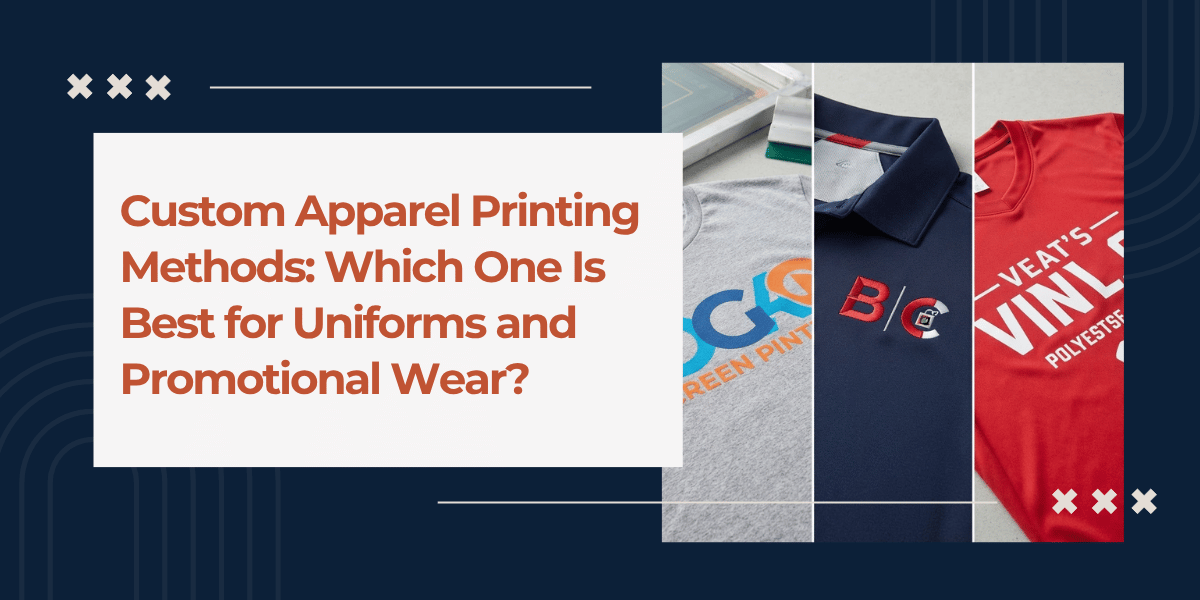
The logo slap on a cheap tee is done. Branding is heading in the direction of tone-on-tone embroidery, branded trims, and subtle role identifiers – a “quiet luxury” look that feels more premium.
6. Smart and Functional Details
Employees want more than just comfort; they want clothing that makes their work easier: stain-resistant finishes, antimicrobial and temperature-regulating properties, and even sensor-embedded smartwear for tech-forward industries.
What Different Industry Professionals Want from Their Uniforms
Employees across industries have different working environments and responsibilities, so their uniform needs can vary significantly.
Here’s what professionals in different sectors typically look for:
Ultimately, choosing uniforms based on each industry’s specific needs can improve employee comfort, performance, and the overall workplace experience.
How to Choose Comfortable Employee Uniforms?
Begin with the people who will actually be wearing the uniform, not just the catalog images. Ask staff what fabric weight and cut they feel comfortable in for a full shift, then try a small batch before placing a larger order.
Here are a few practical steps:
Make sure to get fabric samples that reflect the real environments your staff work in; think about the heat of the kitchen, the dust in the warehouse, and the chill of the office air conditioning.
For fit testing, involve a diverse range of body types and roles, rather than focusing on just one department.
It's important to verify that your sizing runs are truly inclusive and not just extended in one direction.
Double-check that the care instructions match what your laundry setup can handle. Before placing a full order, don’t hesitate to ask any uniform manufacturer in the UAE for wash-test samples to ensure they meet your needs.
Sourcing is just as important as the design when it comes to uniforms. By teaming up with a well-established corporate uniform manufacturer, you gain access to a range of fabric options and fit testing that a typical supplier often can’t offer.
If you’re evaluating uniform suppliers in the UAE, consider how many different industries they’ve actually outfitted. A manufacturer experienced in healthcare or industrial contracts will better understand the fit and fabric requirements that a general apparel supplier might not fully grasp.
Conclusion
Work uniforms in 2026 are no longer simply about creating a consistent appearance; they need to support comfort, mobility, inclusivity, and everyday performance.
Businesses that listen to employees and invest in quality fabrics, practical designs, and flexible sizing can improve satisfaction while maintaining a professional image.
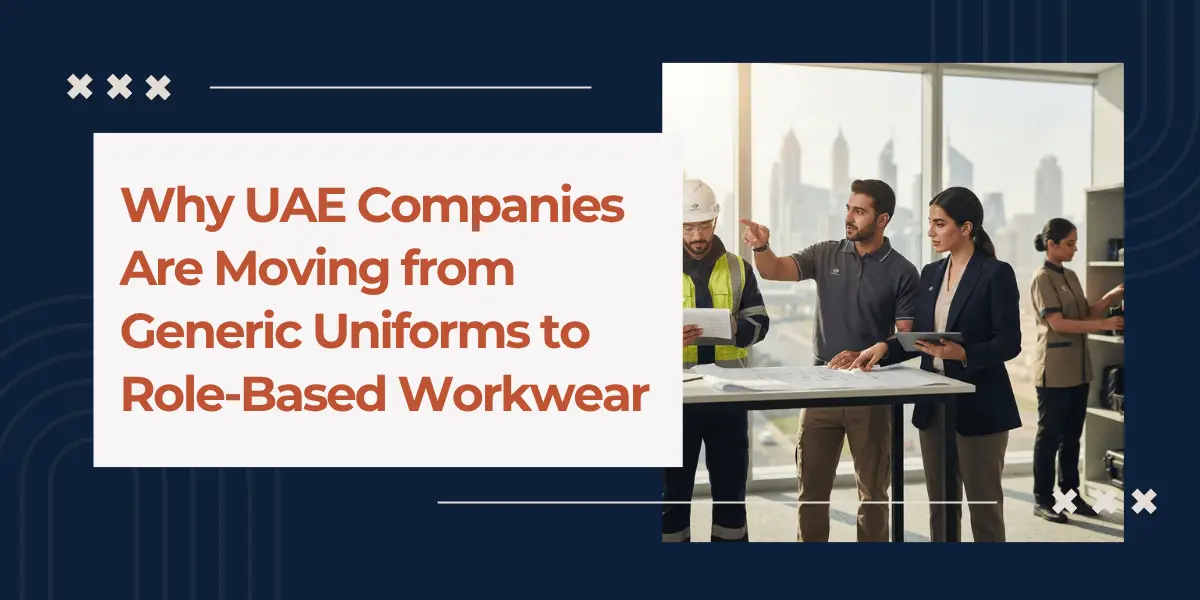
Well-designed uniforms work as marketing tools and can strengthen brand recognition. On the other end, role-based uniforms ensure employees receive clothing suited to their responsibilities, environment, and daily working conditions.
FAQs
How can businesses make uniforms more comfortable for employees?
Businesses can choose breathable, stretchable, lightweight fabrics designed for long working hours. Employee feedback and fit testing can also help identify practical comfort improvements.
What should businesses consider when choosing work uniforms?
Consider fabric performance, fit, sizing, durability, workplace conditions, maintenance requirements, and employee preferences. Testing samples before bulk orders can prevent costly mistakes later.
Why are employee preferences important when designing uniforms?
Employee preferences influence comfort, confidence, and willingness to wear uniforms throughout their shifts. Involving staff during selection can also reveal practical issues businesses may overlook.