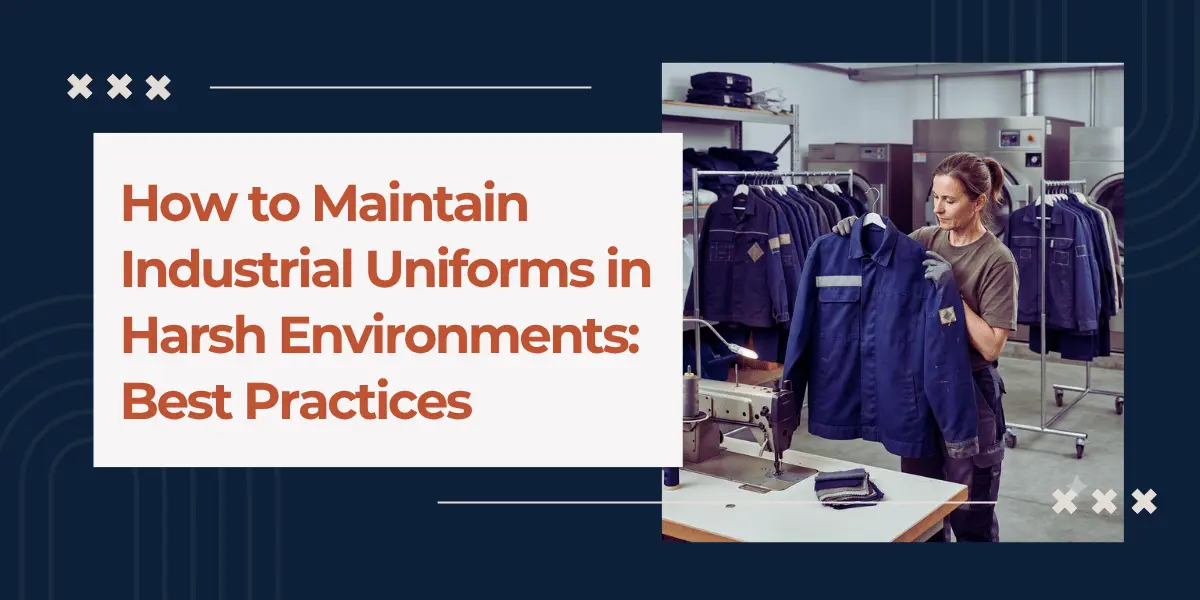
Uniforms in many industries aren’t just about looks; they’re also about functionality and branding. As a result, many uniforms require text, images, or graphics.
However, what worries most business owners is choosing the right custom apparel printing method. Which method will last long and fit their budget?
Previously, we explored promotional apparel ideas for 2026 and discussed the Polo shirts marketing benefits for businesses looking to improve brand visibility through clothing. Today, we’re taking that conversation a step further by focusing on custom apparel printing methods.
So, how do you choose the right printing method for your uniforms or promotional wear? Let’s explore the most popular options and what you should consider before making a choice.
Custom Printing Methods: Screen Printing vs. Embroidery vs. Heat Transfer vs. Other Methods
Each custom apparel printing method has its own advantages and can cover most uniform and promotional wear orders.
Screen Printing:
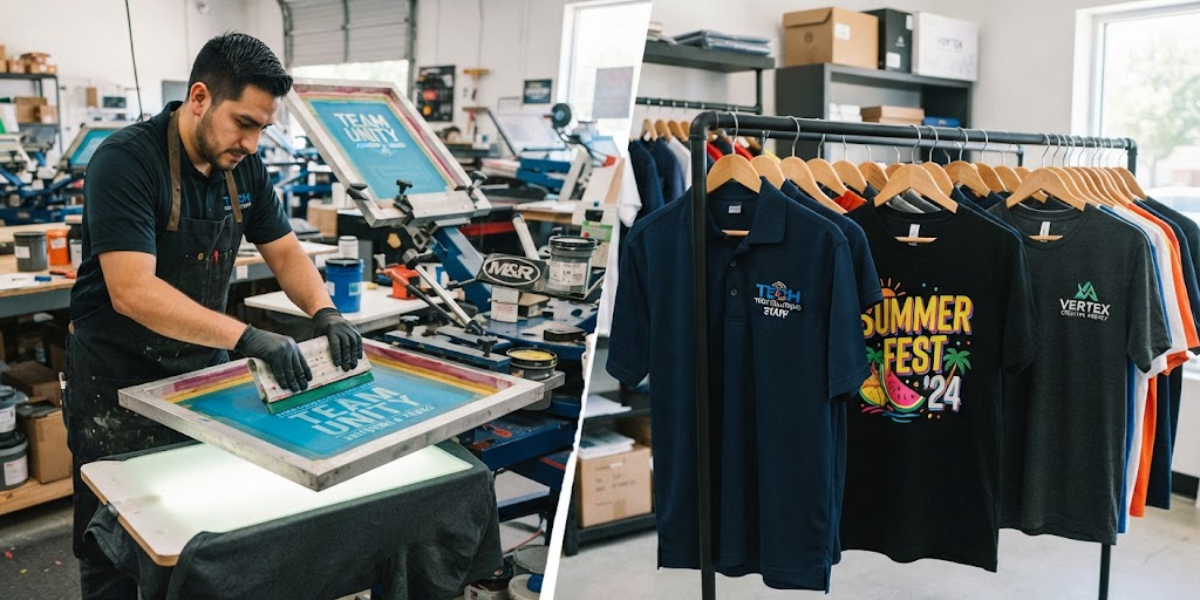
It uses a mesh stencil to push ink through, one color at a time. It is durable on cotton and cotton blend fabric. The price per shirt is lower the bigger the order is because the setup cost of producing the stencils is divided over more units. It is not appropriate for small orders or designs with multiple colors or photographic detail because each color requires its own screen.
Embroidery:
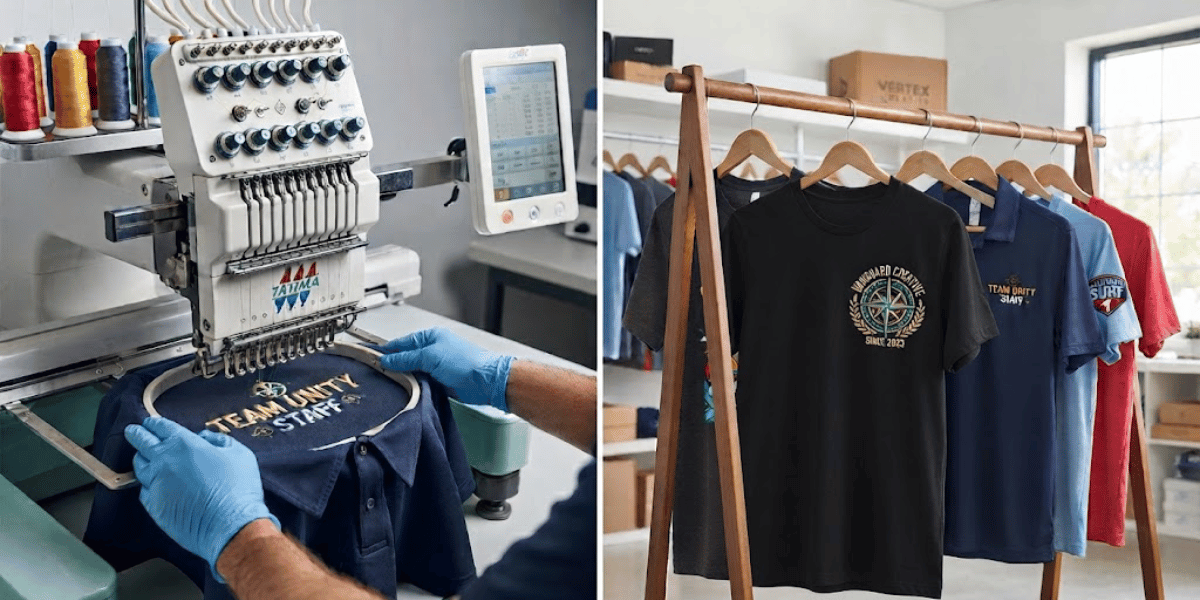
This one sews the design into the fabric with thread. This gives polo shirts and uniforms a raised, professional look that can withstand years of washing better than most printed designs. It costs more per unit than screen printing at low color counts, and isn’t suited to large graphics or gradients – once you work in thread rather than ink, fine detail gets lost.
Heat Transfer:
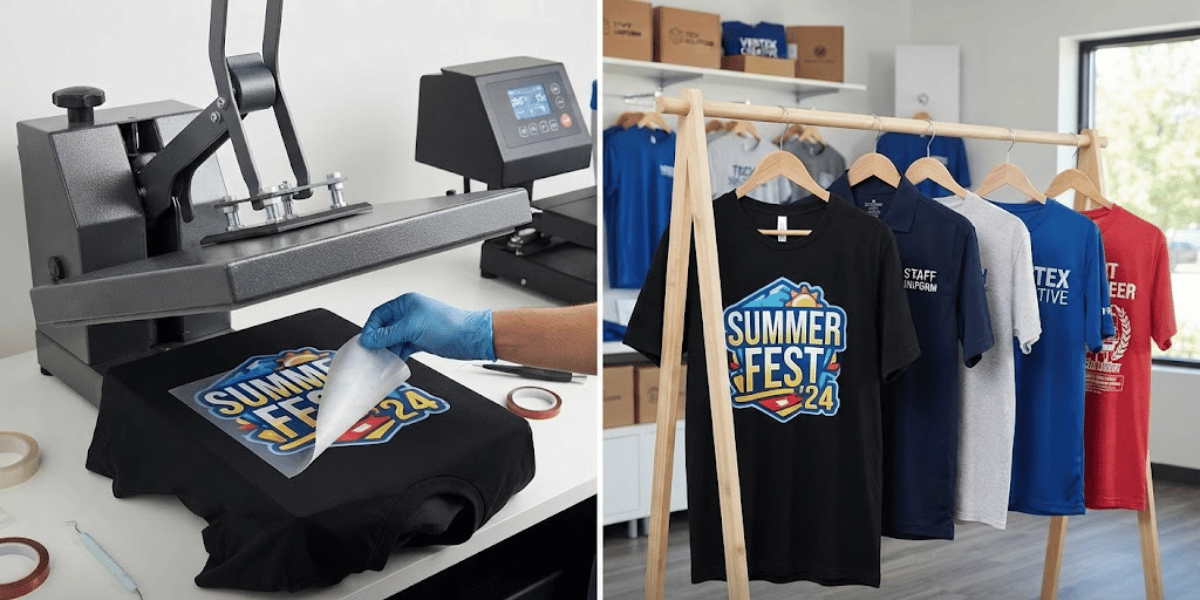
Heat transfer (including vinyl and DTF transfers) prints or cuts a design on a carrier sheet and then presses it onto the garment with heat. It can print full-colour images and photos, and it can do small orders without the set-up cost of screen printing. The downside is durability, as transfers can crack or peel after repeated washings if the garment isn’t cared for properly, but modern DTF transfers have closed most of that gap.Vinyl heat transfer uses a sheet of colored or printed vinyl cut into the desired design, then heat-pressed onto the garment. It works particularly well for simple logos, names, numbers, and lettering, making it a practical option for uniforms, teamwear, and smaller orders.
Direct-to-Garment (DTG)
Direct-to-garment printing applies ink directly onto the fabric using specialized printing equipment, similar to an inkjet printer. It is particularly useful for detailed, full-colour designs, photographs, and smaller orders, especially on cotton garments. Unlike heat transfer, it doesn’t use a separate transfer film or vinyl layer on top of the fabric.
Sublimation Printing
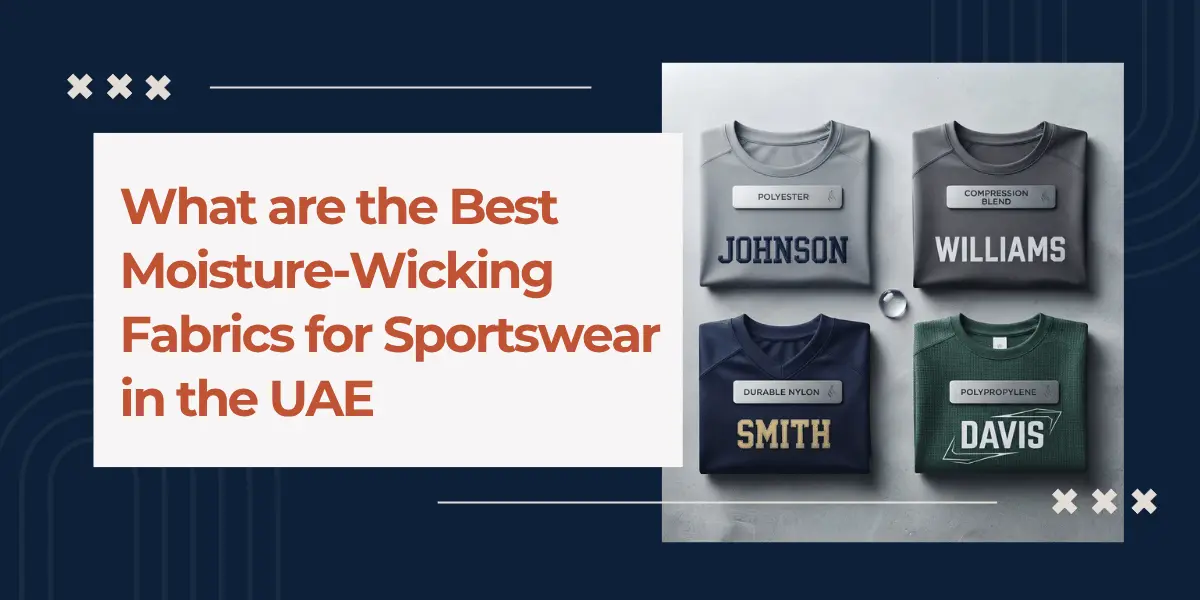
Sublimation printing uses heat to turn dye into a gas that bonds with polyester fibers, making the design part of the fabric rather than sitting on its surface. It is especially suitable for polyester sportswear, jerseys, and all-over designs because the prints are vibrant, lightweight, and resistant to cracking or peeling.
Which Printing Method Is Best for Promotional T-shirts?
Printing methods for promotional clothing given away at events or used as giveaways: the priority is usually low cost per unit and a design that reads well from a distance.
Screen printing is the usual choice for orders of about 50 to 100 pieces in one to four colors.
If it’s a short run, a photo-based design, or a rush order, DTG or heat transfer is better.
Sublimation printing is a type of heat transfer where the dye is infused into the fibers. This is a great option for polyester shirts because the print becomes part of the fabric rather than sitting on top. Surface transfers can crack and fade, but sublimated prints won't.
How to Choose the Right Printing Method for Corporate Uniforms
Corporate uniforms have to be tough enough to handle everyday wear, regular washing, and, for many businesses, the challenges of outdoor environments.
To pinpoint the best option, think about these important questions:
How often will the uniform be washed? For heavy laundering, embroidery and sublimation hold up better than screen printing and heat transfer.
What’s the order volume? Screen printing starts to make sense financially when you’re ordering about 50 pieces or more per design, while embroidery pricing remains pretty stable no matter how many you order.
What fabric is the uniform made from? Sublimation works only on polyester or polyester blends; if you’re working with cotton, you’ll need screen printing, embroidery, or DTG.
How detailed is the logo? For logos with fine details and gradients, embroidery is ideal for smaller designs, while heat transfer and DTG work well for larger, colorful graphics.
This is especially important for industries with strict uniform requirements. For instance, uniforms for courier companies require endurance from daily outdoor exposure, regular washing, and long shifts. This often leads to embroidered logos and durable fabrics with reinforced seams.
Seasonal workwear for delivery riders adds another challenge: high-visibility materials for winter jackets, breathable polos for summer, and branding that stays visible and intact after months of use.
How to Track ROI on Branded Merchandise
Tracking ROI for branded apparel can be trickier than tracking a digital ad, but it’s doable.
One effective method is to use unique discount codes or QR codes on the tags or included with the apparel, so you can track how many are redeemed.
Another approach is to simply ask new customers or leads how they found out about your business, and make sure to note down "saw someone wearing it" as a response option.
You can also compare the cost per piece, factoring in printing methods, setup fees, and the cost of the garments, against the cost per impression of similar ad spending. Working with uniform manufacturers in the UAE can also help businesses evaluate garment quality, customization options, and overall costs when planning branded apparel campaigns.
Lastly, watch for repeat orders from the same client or department; this can indicate the apparel is being worn and catching people’s attention.
Conclusion
Choosing the right apparel printing method depends on your fabric, design, order size, budget, and expected durability. Whether you need uniforms, promotional clothing, or branded merchandise, the right technique can improve both appearance and long-term value.
With thoughtful design and durable printing, uniforms as a marketing tool can strengthen brand visibility wherever employees go.
FAQs
Which printing method is most durable for corporate uniforms?
Embroidery generally offers excellent durability for corporate uniforms, especially when garments are washed frequently and used daily. It works particularly well for smaller logos
Is Custom Sportswear Printing suitable for promotional clothing?
Custom Sportswear Printing is suitable for promotional clothing when businesses want vibrant branding on sportswear, team apparel, or event merchandise.
How do I choose between screen printing and heat transfer?
Consider order quantity, design complexity, fabric type, and expected washing frequency before choosing between these methods. Screen printing suits larger orders, while heat transfers suit smaller runs.