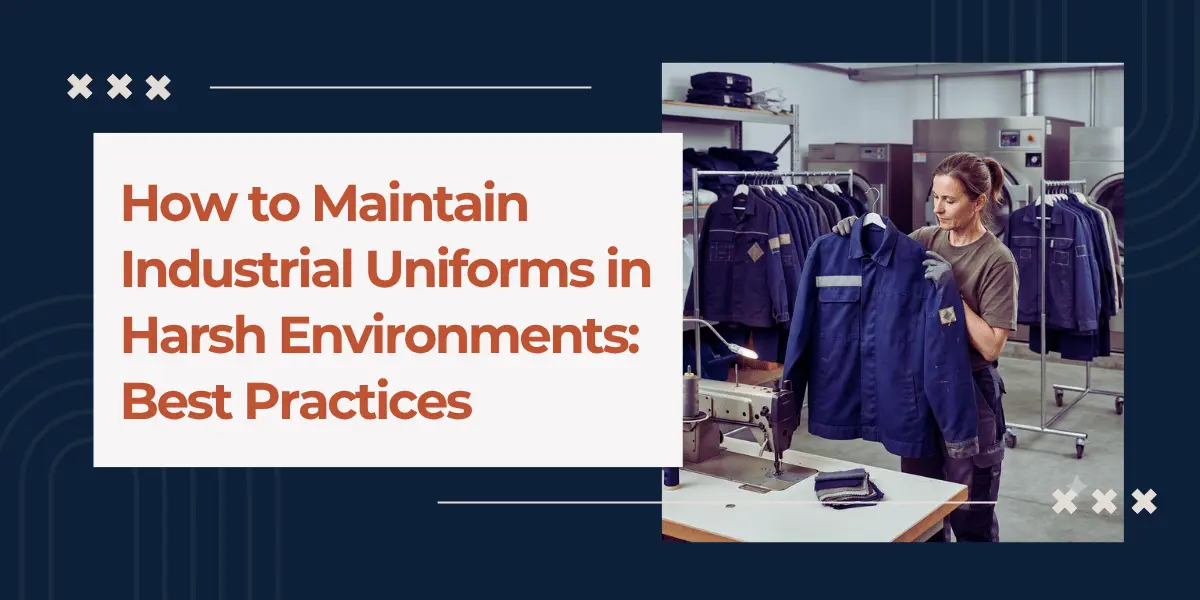
Heat, dust, grease, and frequent washing can quickly take a toll on industrial workwear. However, understanding how to maintain industrial uniforms properly can help businesses reduce replacement costs while keeping workers safe.
With the right cleaning, storage, and care practices, uniforms can maintain their durability, performance, and protective qualities for longer periods.
Now, the question? What steps should one take to maintain industrial uniforms in their best condition?
Why Maintenance is Tied to Safety and Compliance
A torn sleeve near moving machinery, a faded hi-vis stripe, or a coverall that no longer fits properly is more than a wardrobe problem. It’s a risk.
Industrial workwear safety is all about keeping the uniform intact and working as it was designed to: flame-resistant fabric needs to stay flame-resistant, and reflective strips need to stay reflective.
This is where industrial uniforms and compliance come in. Many industries require workwear to conform to a minimum level of protection, as set out by safety standards (ISO, ANSI or local UAE labour standards).
A damaged or degraded uniform can quietly fall out of compliance without anyone noticing until an inspection, or worse, an incident.
Construction worker uniforms are subjected to some of the most brutal wear cycles of any category, with constant exposure to cement dust, sharp edges, and the sun. Regular inspections catch problems before they fail safety.
Best Practices for Maintaining Industrial Uniforms
So, how can you clean and maintain industrial uniforms? Here is what you can do:
1. Daily and Weekly Routines
It’s about consistency, not any one deep-clean.” Crews that care for industrial uniforms as part of the daily shift routine, rather than as a once-a-week chore, experience far less fabric breakdown over time. A few Industrial uniform maintenance tips shared by reputable uniform suppliers in the UAE are worth building in:
At the beginning and end of each shift, check seams, zippers, and pockets for tears or loose stitching.
Shake or brush off loose debris (dust, metal shavings, cement) before it works into the fabric.
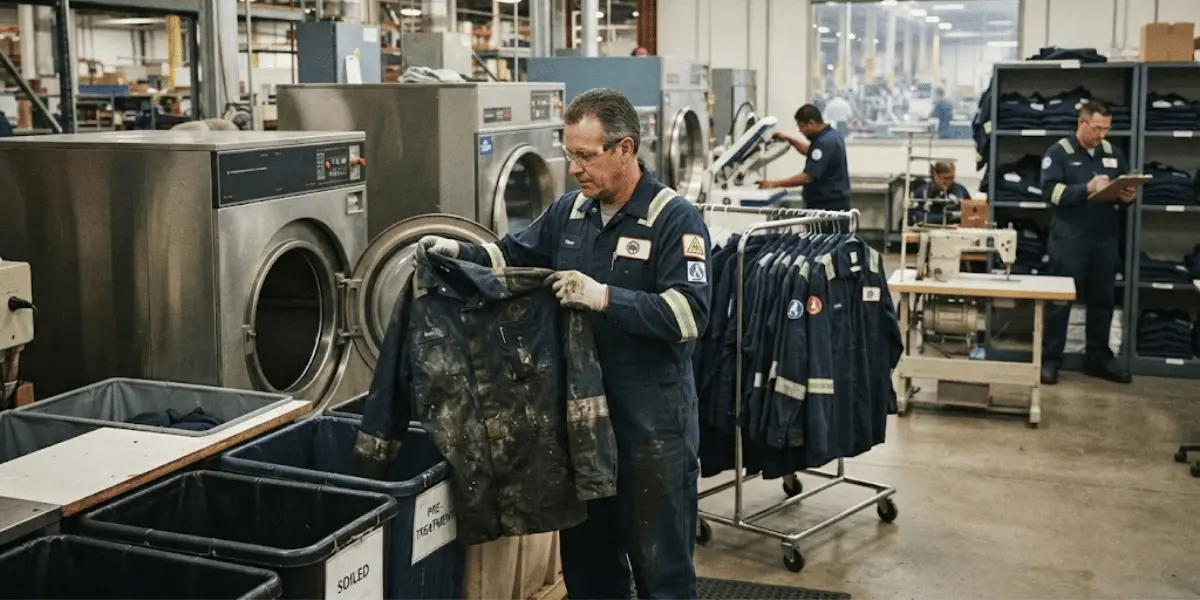
Spot-clean chemical or oil stains immediately instead of allowing them to set through a full wash cycle.
In humid climates, store uniforms in ventilated lockers rather than sealed bags to avoid mildew.
Rotate at least two sets per worker so no one uniform is worn and washed daily without rest.
These habits are the basis for Best practices for the care of industrial uniforms, and they cost nothing more than a few extra minutes a day.
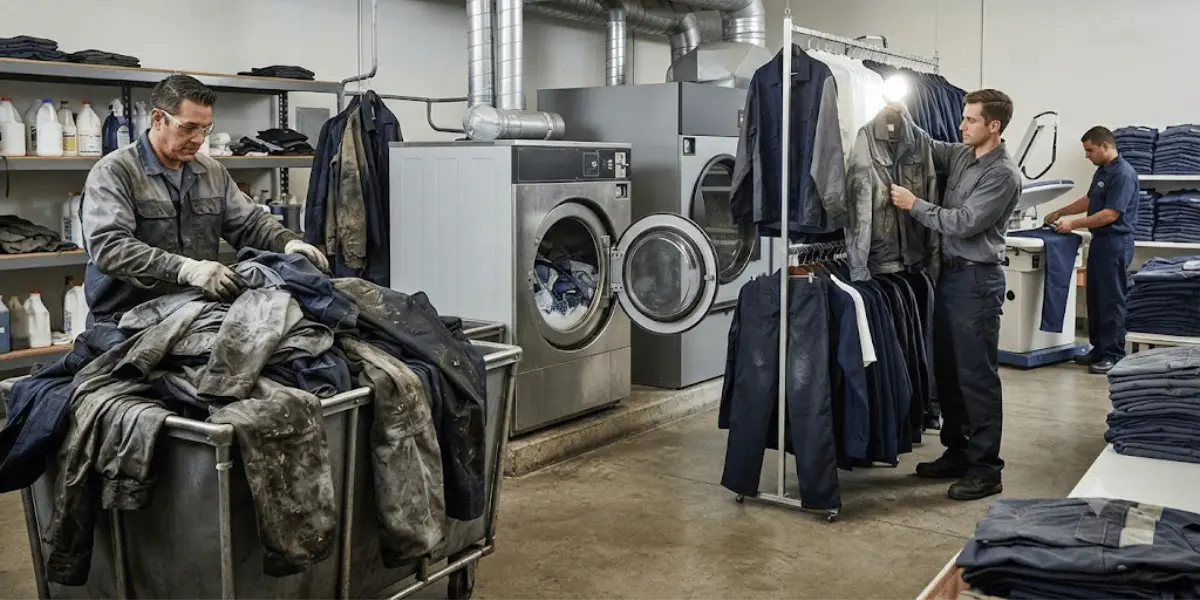
2. Washing and Fabric Care for Coveralls
Industrial coverall uniforms often have a flame-resistant, oil-repellent, or antistatic finish that harsh detergents or high heat can strip more quickly than regular wear.
A few points of interest:
Use cold or lukewarm water with a mild detergent that does not contain bleach to treat fibres.
Use cold or lukewarm water with a mild detergent that does not contain bleach to treat fibres.
Air-dry when possible, or if using a dryer, keep the heat low.
Check reflective tape in industrial uniforms after every wash. Repeated washing at high temperature may dull or crack the reflective coating, reducing visibility just when it is most needed on low-light sites.
Replace high-visibility workwear as soon as the reflective strip loses brightness, not waiting for it to visibly peel off.
3. Comfort, Fit, and Ergonomics
Industrial uniforms & safety wear that do not fit properly are treated poorly. Workers also tend to loosen straps, roll up sleeves, or leave zippers undone, all of which reduces the working life of the garment. Comfortable workwear for factories should be designed to allow workers to bend, lift and reach without the workwear bunching up or restricting movement.
The benefits of ergonomics in industrial workwear are evident here: well-cut uniforms decrease fatigue over a shift, reduce friction damage at joints and seams, and are simply more likely to be worn correctly, prolonging their usable life.
How to Extend the Life of Industrial Workwear?
Taking care of your work uniforms is just as important as washing them. Hanging them on wide hangers instead of folding helps prevent those annoying creases, and keeping them out of direct sunlight can stop fading and fabric damage.
If you’re wondering how to make your industrial workwear last longer, think of repairs as a regular part of your routine, not something you can skip. A small tear fixed today can save you from a bigger problem next week.
In the end, maintaining industrial uniforms boils down to a few simple habits: checking them daily, washing them correctly, and storing them properly. Choosing suppliers who design clothes for the tough conditions they’ll encounter also plays an important role in extending uniform life.
Companies that incorporate care for custom industrial uniforms into their daily operations, rather than treating it as an afterthought, tend to get more value from each uniform. They also experience fewer surprises during safety inspections and maintain better workplace safety standards.
Conclusion
Properly learning how to maintain industrial uniforms helps businesses improve safety, reduce replacement costs, and ensure workers remain protected in demanding environments.
From regular inspections and correct washing methods to choosing durable fabrics, every step contributes to longer-lasting workwear. Partnering with reliable uniform manufacturers in the UAE can also make a significant difference by providing high-quality uniforms designed for industrial conditions.
With the right maintenance practices and trusted uniform partners, companies can ensure better performance, comfort, and compliance for their workforce.
FAQs
How can businesses maintain industrial uniforms for longer use?
Businesses can extend uniform life by following proper washing, storage, and repair practices. Regular inspections also help identify damage before uniforms become unsafe or unusable.
How often should industrial uniforms be replaced?
Industrial uniforms should be replaced when they show signs of damage, fading, or reduced protective performance. Replacement frequency depends on workplace conditions, fabric quality, and maintenance routines.
Where can I buy customized industrial uniforms in the UAE?
You can buy customized industrial uniforms from experienced suppliers offering durable and compliant workwear solutions. Silver Thread UAE provides customised uniforms designed for different industrial requirements.