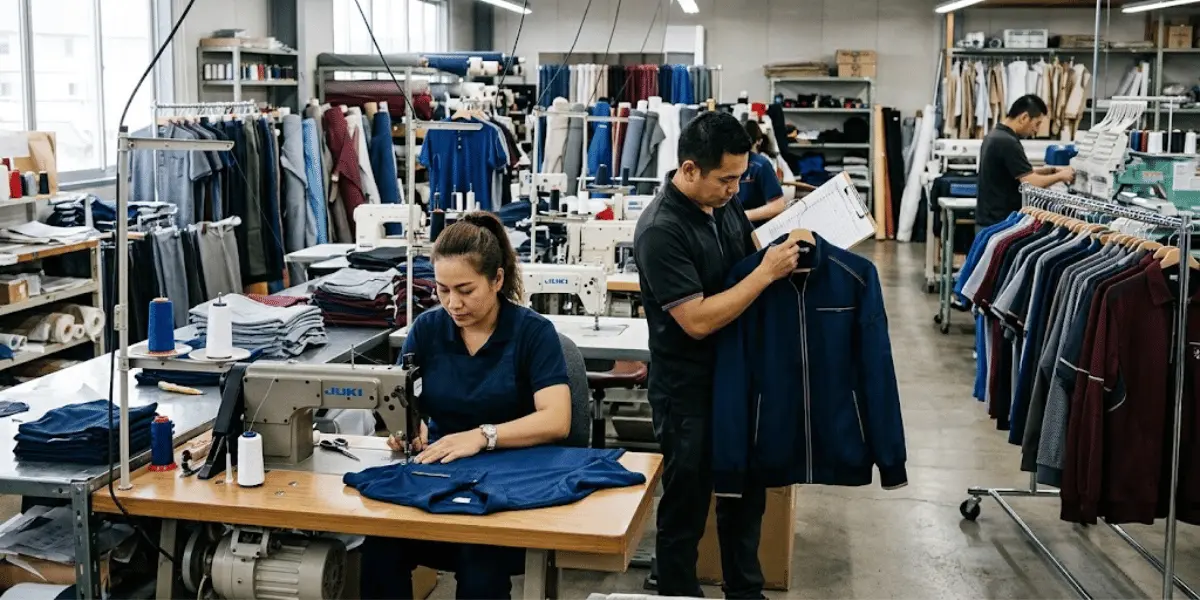
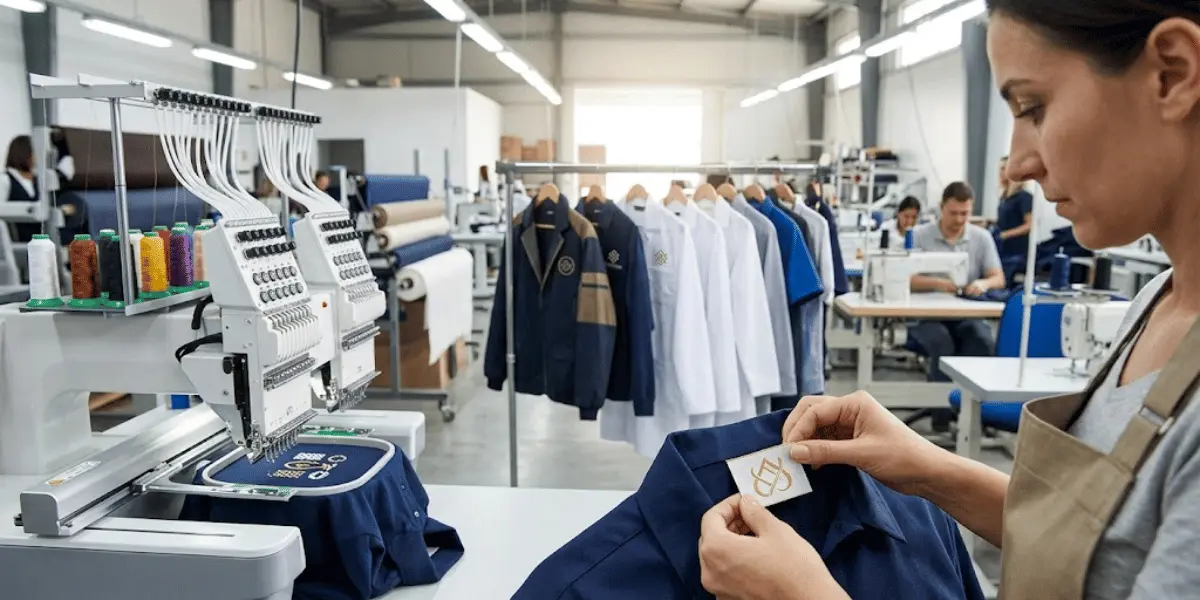
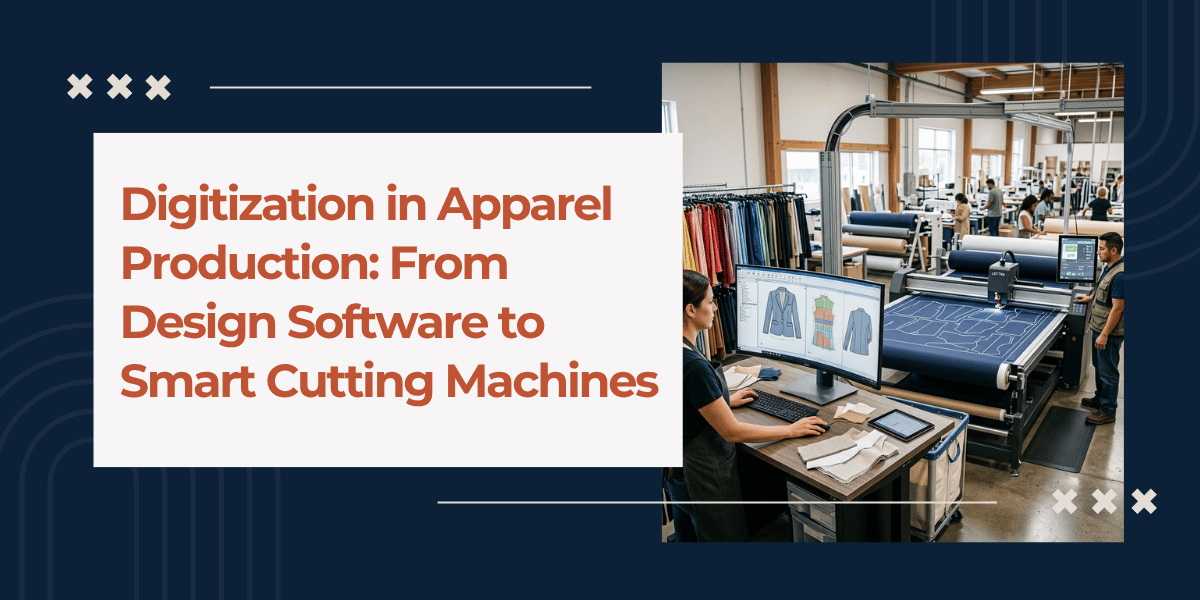
A private label uniform represents your brand. The manufacturer handles the cutting, sewing, and packaging, while you remain responsible for the branding, fit, and specifications.
Previously, we highlighted the significance of uniforms as marketing tools and explored different custom apparel printing methods. Today, we’ll discuss private label uniform manufacturing, what it involves, how it benefits businesses, and the key factors to consider before placing an order.
Businesses that outfit their employees or supply uniforms to partner organizations often face challenges when relying on off-the-shelf clothing. They may struggle to control fabric quality, colors, sizing, and consistency across repeat orders.
Before placing an order, you need to make several important decisions, as they will directly affect cost, quality, and delivery time.
What is Private Label Uniform Manufacturing?
Private label uniform manufacturing is when a factory makes clothes to your spec, and you sell or issue them under your own name. Private label workwear typically includes the garment, woven labels, hang tags, polybags, and cartons. Custom private label uniform manufacturing goes a step further and utilizes your patterns and measurements, instead of the factory’s existing blocks. Most buyers pick one of three levels:
Decoration only: Stock garments decorated with your logo. This is the fastest and cheapest route, with little differentiation.
Semi-custom : The factory’s patterns and fabrics in your colours and branding.
Custom-made : Your designs, trims and packaging. This allows the most control, but takes longer and usually has higher minimum quantities.
Match the Garment to the Role
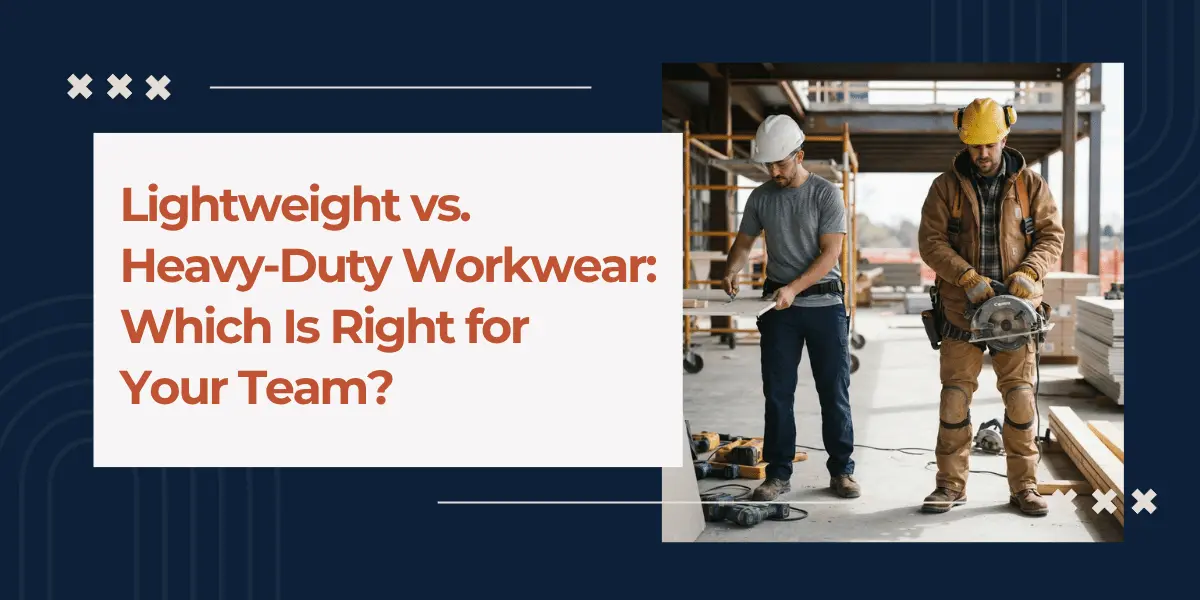
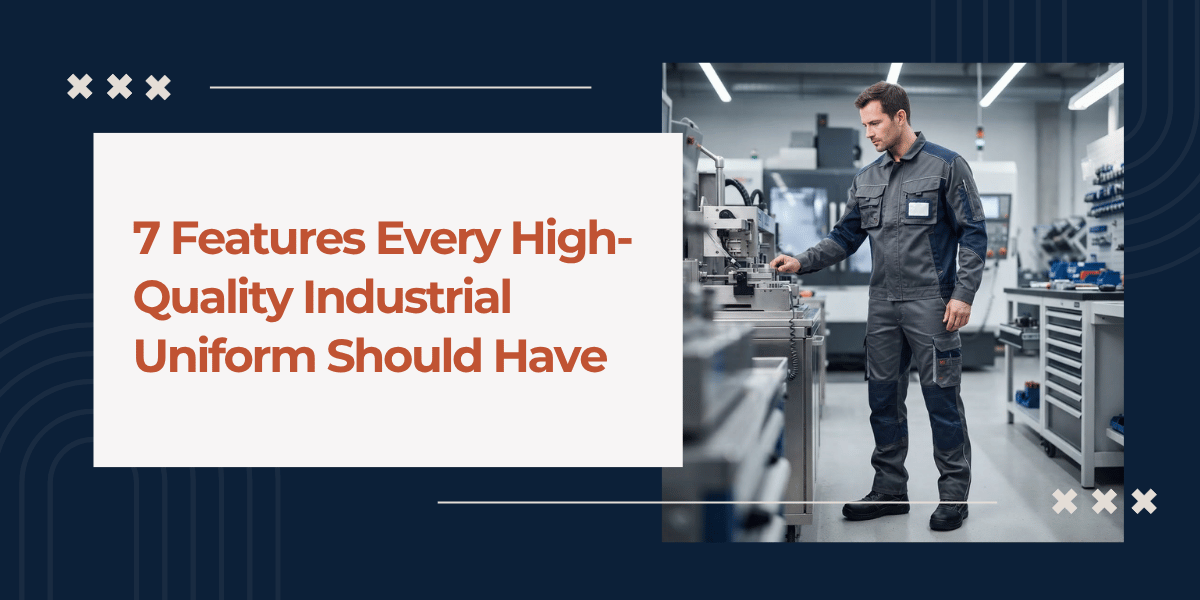
A private label uniform range can cover all roles under one brand, and role-based uniforms are better than a one-size-fits-all approach. Role-based workwear also lets customers easily distinguish between a receptionist and a technician. Fabric and construction should be suited to the job:
Hospitality Uniforms: Stretch, stain resistance, and fabric that stands up to frequent washing.
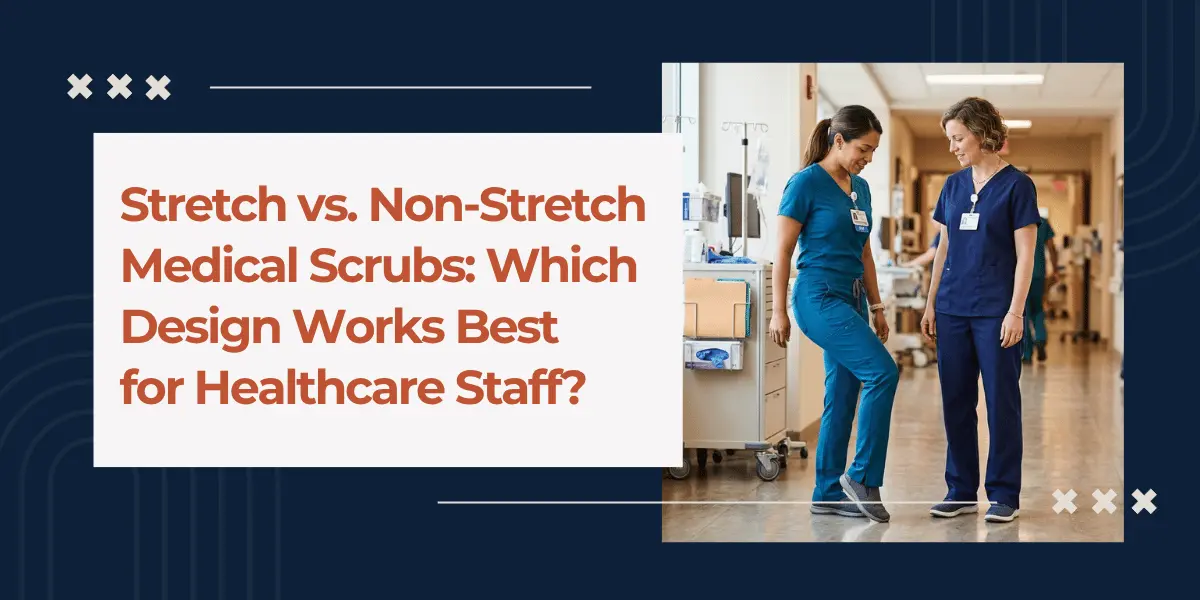
Healthcare Uniforms: Fabrics that are friendly to hygiene and have good colour retention through repeated hot laundering.
Automotive Uniforms: Heavy-duty stitching and fabric that can withstand grease and abrasions.
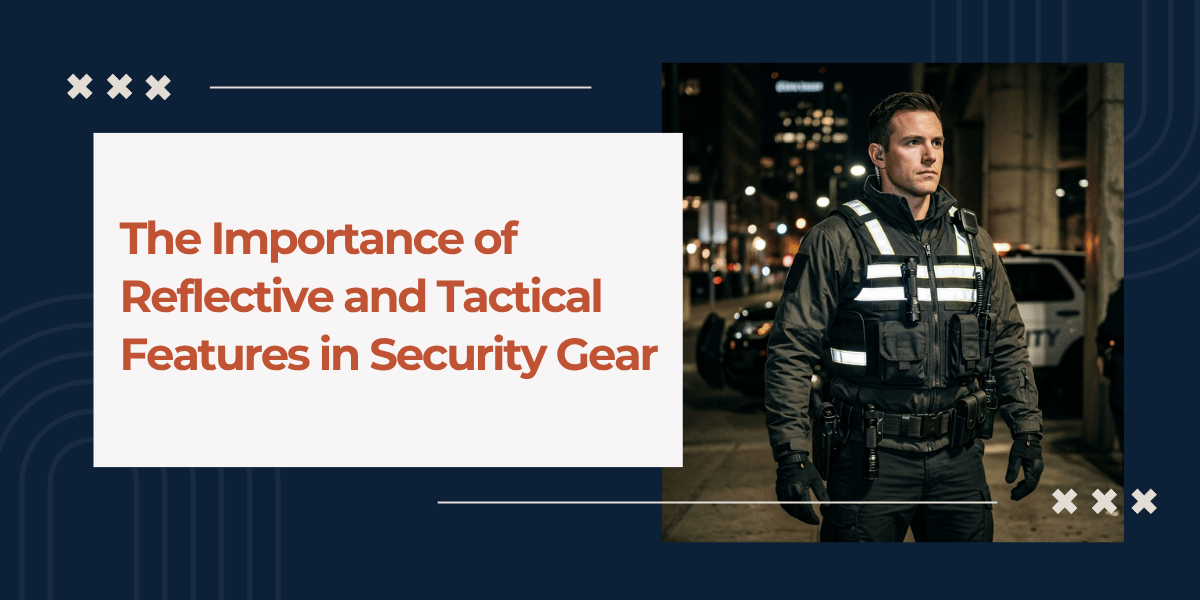
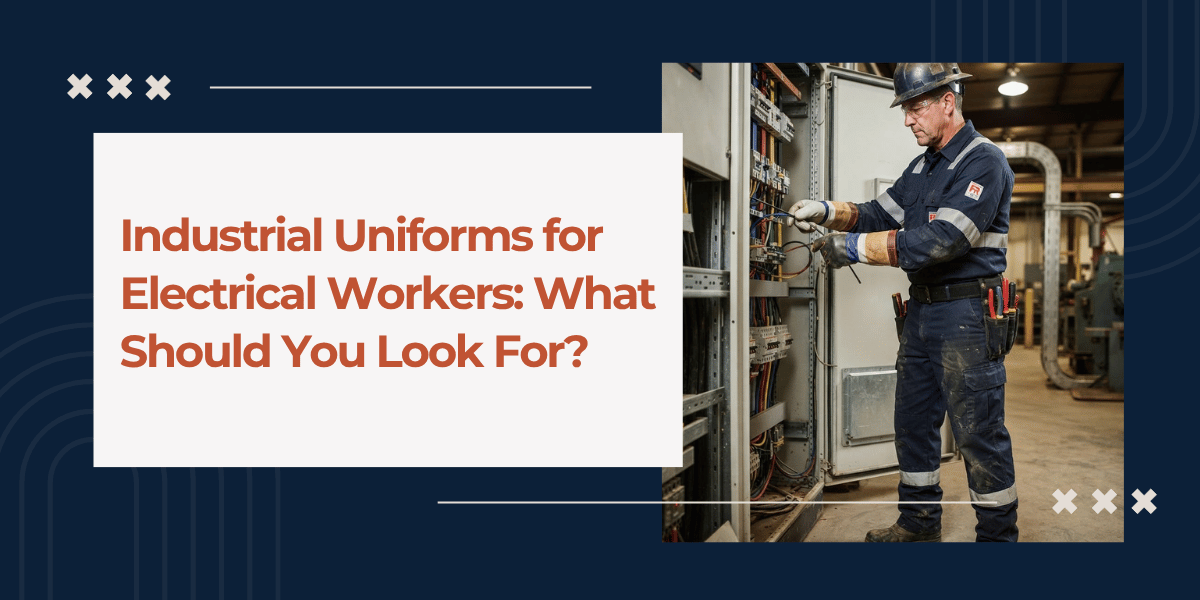
Industrial Uniforms: Flame resistance or high visibility depending on site and client rules.
How to Choose a Private Label Uniform Manufacturer?
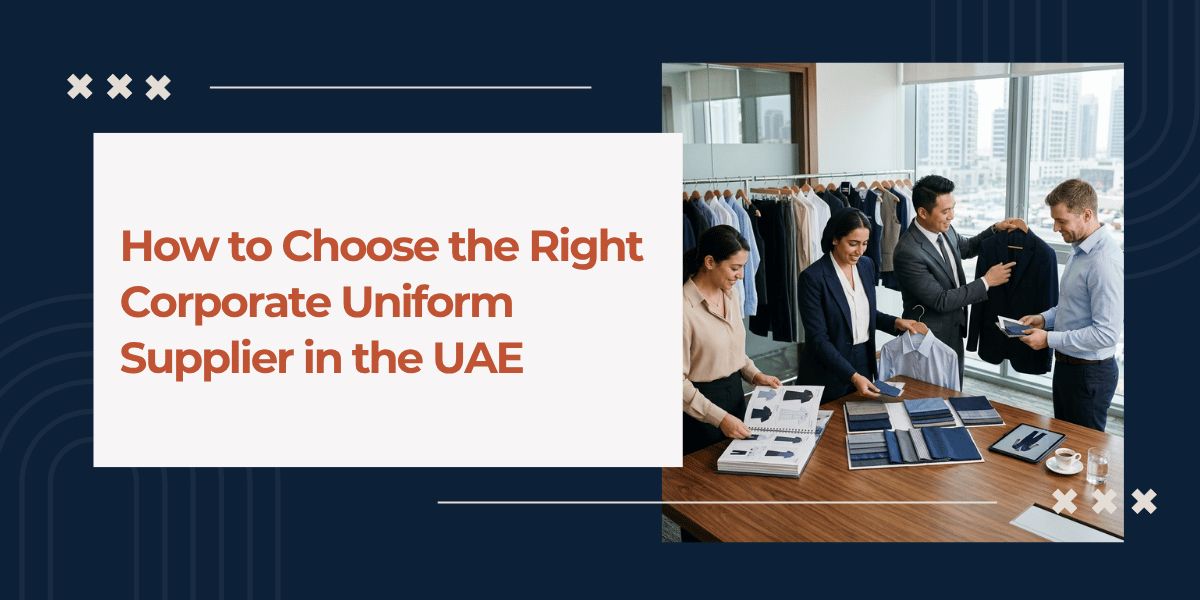
Start with where to buy your uniforms. A uniform manufacturer in the UAE can offer shorter lead times, easier sampling, and hassle-free delivery across the emirates. Overseas factories may offer lower unit prices, but they often come with longer shipping times and customs processes.
Regardless, compare at least three private label uniform manufacturers based on the same written specifications, and look beyond price.
Uniform suppliers in the UAE vary widely, from small decoration shops to larger factories with their own cutting and sewing capabilities. It’s crucial to find out exactly what type of supplier you’re working with. While lists of top uniform manufacturers in the UAE can serve as a decent starting point, be sure to ask each candidate for:
To get started, you'll need a trade license and, if you're producing locally, proof of industrial licensing from the appropriate authority.
Make sure to include photos of the production floor or arrange for a visit.
Gather references from clients within your industry.
You'll also want to have fabric test reports and information on sample turnaround times.
Don’t forget to check their policies regarding defects, shortages, and late deliveries.
If you’re looking to buy customized uniforms in the UAE for multiple locations, ensure that the supplier can handle staggered deliveries. Approach a private label uniform contract just like any other supply agreement and read it thoroughly.
What Should Businesses Know Before Ordering Private Label Uniforms?
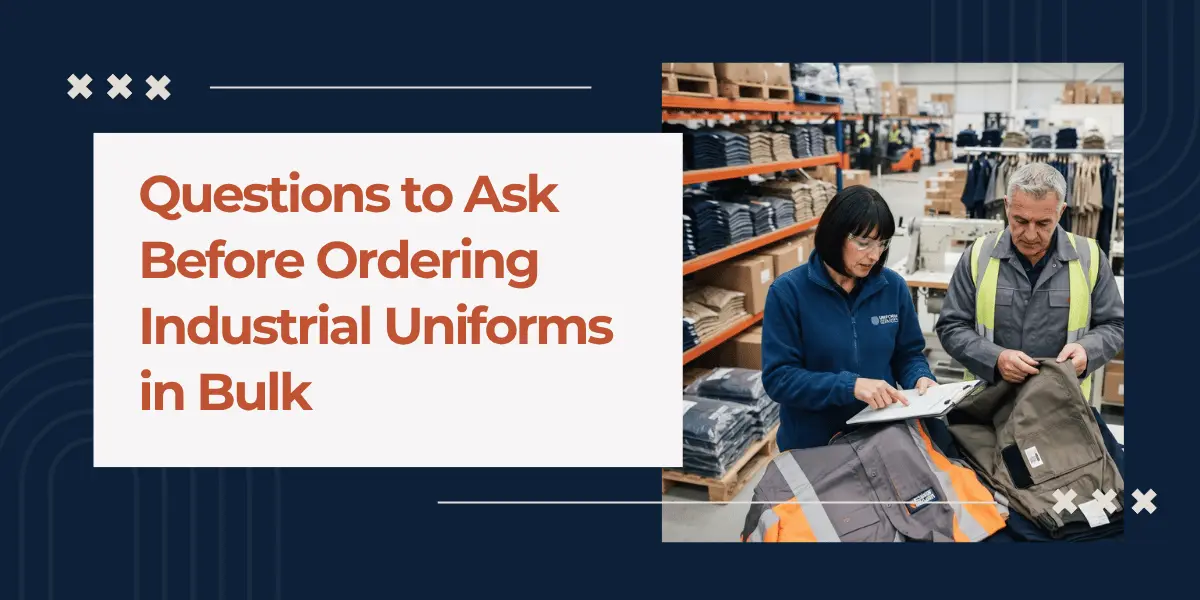
Before diving into price inquiries, it’s important to draft a one-page brief and a comprehensive tech pack. This should cover key details such as fabric composition and weight, color references, fit, size range, construction specifics, and label content, along with the quantities required for each size.
Then proceed with the sampling process in a logical order: start with a development sample to finalize the design, followed by a fit sample spanning all sizes, and wrap up with a pre-production sample featuring the final fabric, trims, and labels.
Don’t forget to keep a signed golden sample as your standard for bulk production. Finally, agree on the commercial terms in writing.
Minimum order for each style, colour, and size.
Unit cost, setup fees, and decoration charges
Deposit and Payment Schedule
Lead time, including approvals.
Inspection standards and what happens with substandard items
Ownership of your logo, artwork, and patterns.
Corporate uniform reordering can be tricky, and many programs falter here. You might encounter variations in dye lots, discontinued fabrics, and even lost patterns.
To avoid these pitfalls, ask the factory to keep your patterns and fabric codes on file, and confirm how long the quoted price will remain valid. It’s wise to kick things off with a pilot run before making a big commitment.
A private label uniform order that proves successful at 200 pieces is much easier to scale than one that hasn’t been tested until it reaches 5,000.
Conclusion
Successful private label uniform manufacturing requires careful planning, the right manufacturer, and clear quality standards. Businesses should consider fabric, fit, branding, and production timelines before placing bulk orders.
Understanding the hidden costs of cheap uniforms can also help businesses avoid quality issues and unnecessary replacement expenses. Local uniform manufacturing offers better communication, easier sampling, and potentially shorter delivery times.
If you’re exploring reliable uniform solutions in the UAE, Silver Thread UAE is worth considering for your uniform requirements. Choose a manufacturing partner that understands your needs, maintains consistent quality, and can support future reorders as your business grows.
FAQs
How long does private label uniform production take?
Production timelines depend on design complexity, fabric availability, and order quantity. Sampling and approvals can also affect the final delivery date.
Can businesses order uniforms in different sizes and colours?
Yes, manufacturers can usually accommodate multiple sizes and colour combinations. Confirm minimum quantities for each style and colour before placing your order.
Should businesses request samples before bulk production?
Absolutely, samples help verify fabric quality, sizing, stitching, and overall appearance. Approve a final sample before authorizing full-scale production.