For decades, we’ve seen the same uniform template across industries. A slight change in the color and you have a new uniform. That’s why various companies are changing it. They are moving toward more functional uniforms that reflect each role’s identity.
You might wonder why, and whether you need to introduce role-based workwear in your industry as well. Let us answer it all in this article.
What is Role-based Workwear and Why is it Important?
Role-based workwear, or employee uniforms by job role in the UAE, means designing uniforms for the actual tasks, risks, and visibility level of a job, rather than issuing one generic outfit to everyone on the payroll. A warehouse supervisor, a front-desk receptionist, and a delivery driver all have different physical demands and different impressions to manage, so their clothing shouldn’t be identical.
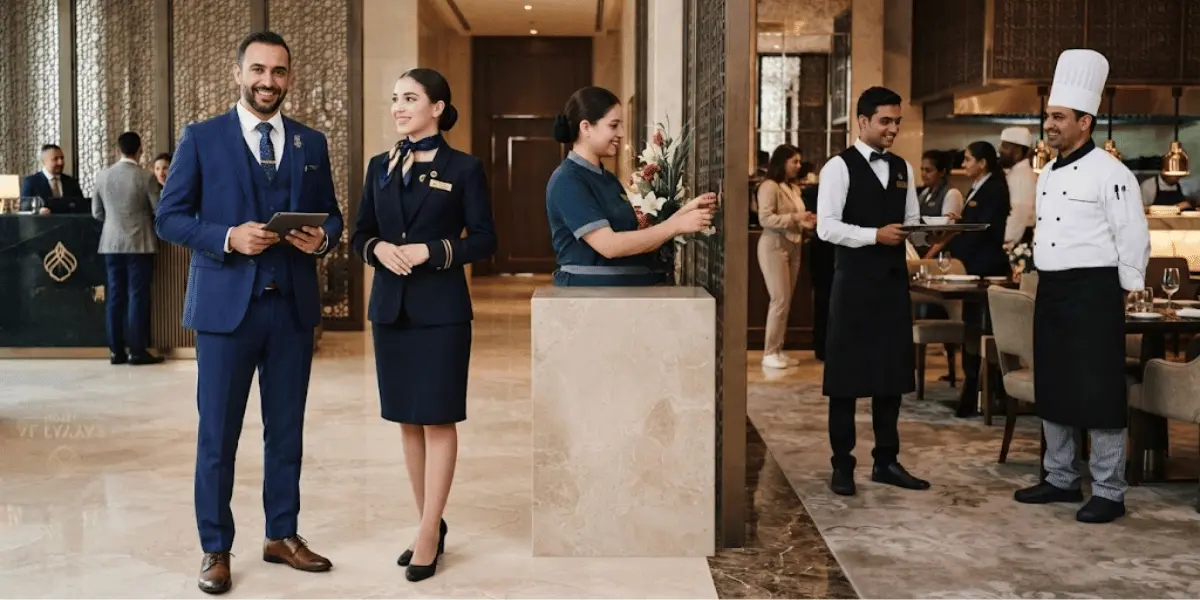
Housekeeping in a hotel requires fabric that is washable, moves easily and can withstand many wash cycles a month. The same hotel’s concierge team needs a custom, formal look that matches the property’s corporate identity. No one uniform can do both jobs well.
Here’s why it is important:
Safety compliance: Office workers don't need the protective features required for jobs with machinery, heat, or chemicals.
Features: A technician on ladders needs a different sort of mobility than someone who stands at a reception counter for eight hours.
Brand message: Customer-facing staff wear more substantial uniforms than back-office staff because they are the company's visual representatives.
Comfort of Employees: Morale suffers when clothing is ill-fitting or unsuitable, and retention declines over time.
In short, role-based uniforms for different job positions in the UAE are not a luxury add-on. They reflect the fact that no single piece of clothing can do everything a workforce does.
Why are Companies Switching to Role-based Uniforms?
A few aspects that have a major role in this movement are:
1. UAE’s Labour Market has Diversified Fast:
With free zones, industrial clusters and a burgeoning hospitality industry, a single company might now have warehouse staff, drivers, retail associates and admin teams working under one roof. A uniform policy that worked for a 20-person office doesn’t scale cleanly to a 200-person operation with five different job functions.
2. Safety Regulations Have Tightened:
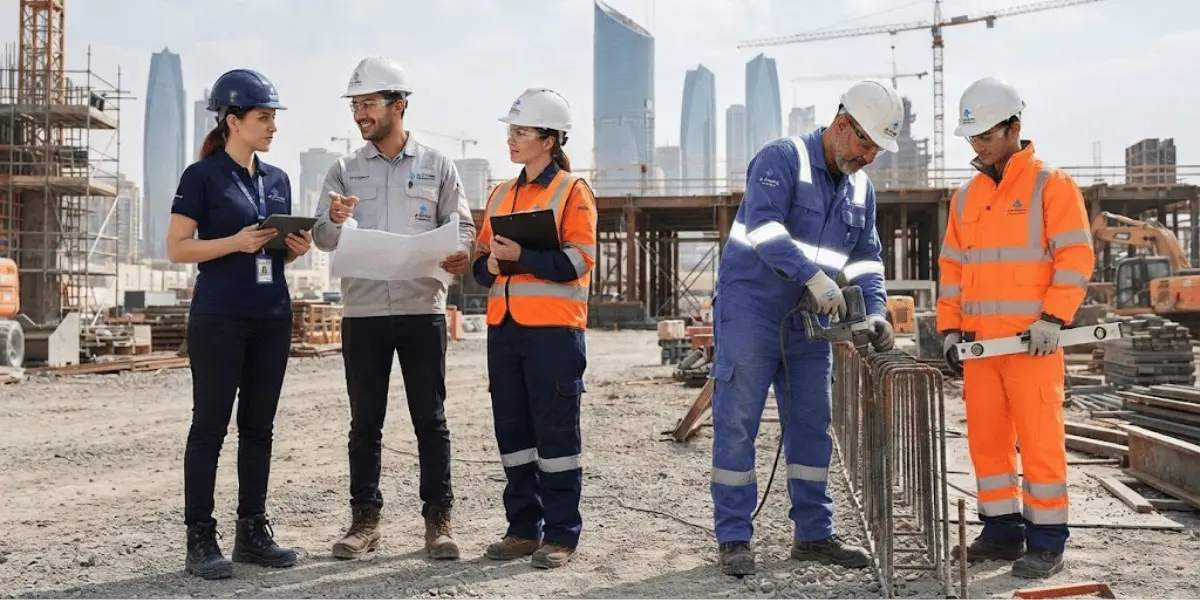
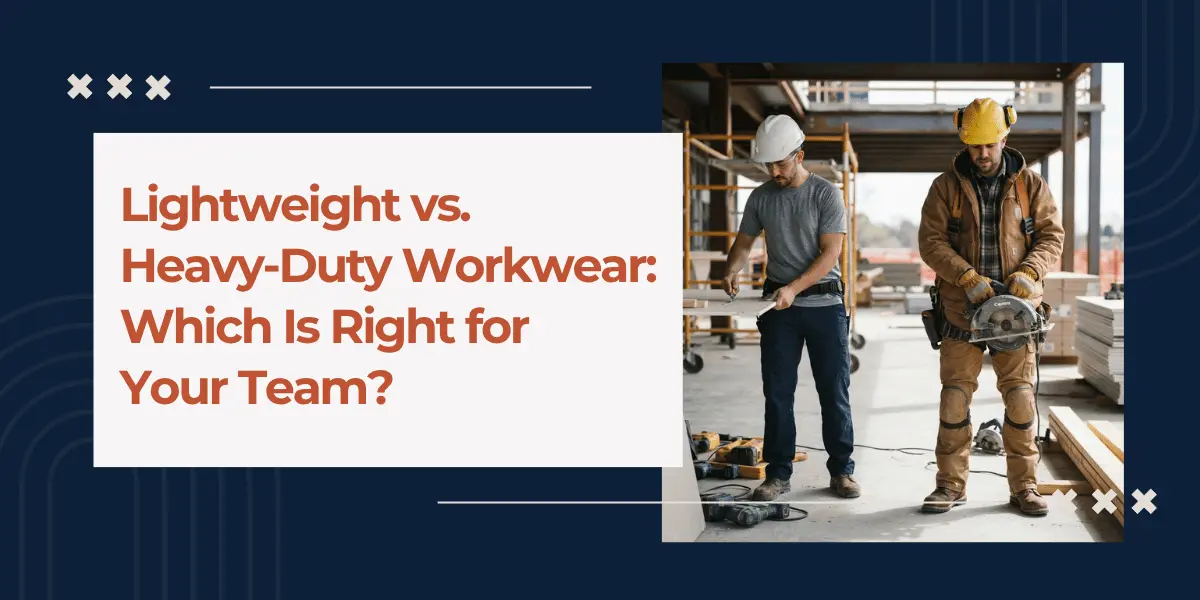
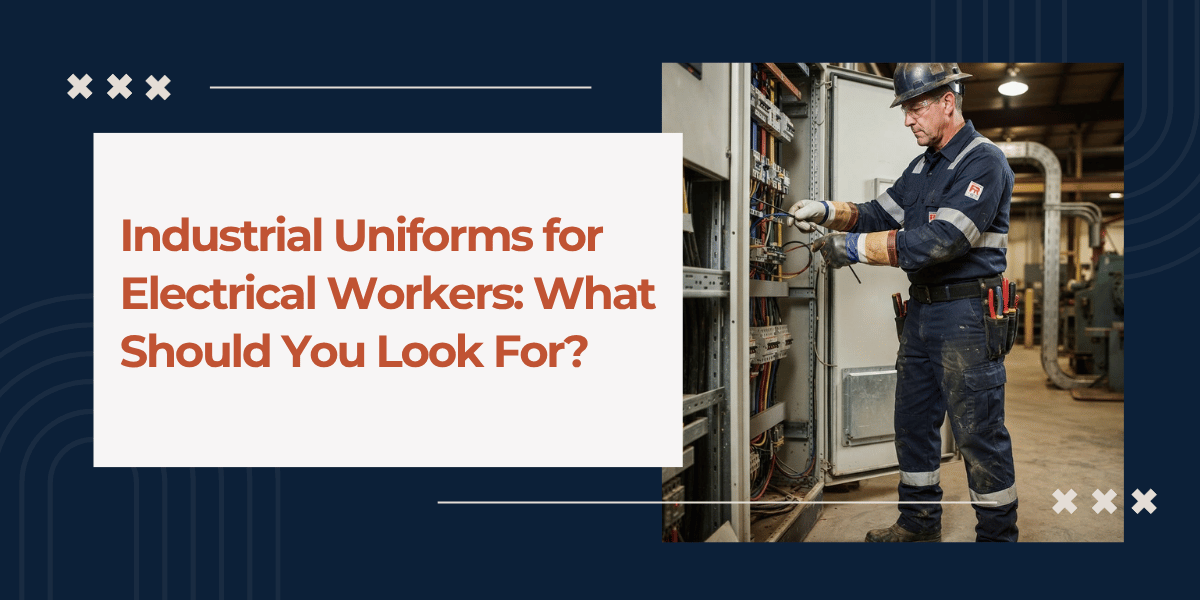
Industries such as construction, manufacturing, and logistics are under more scrutiny than ever. Many work sites now require protective standards that standard office wear doesn’t meet, leading companies to look for industrial uniforms made for specific tasks, with reinforced stitching, high-visibility elements, or flame-resistant fabric as needed.
3. Customer Experience has Become a Competitive Factor:
First impressions are made in seconds in hospitality and retail. A well-fitted, role-appropriate uniform signals professionalism; a mismatched or generic one signals an afterthought.
Businesses are increasingly seeing uniforms as a marketing tool rather than a back-of-house expense, reinforcing brand colors, logo placement, and the overall customer experience.
4. Employee Expectations Have Shifted Too:
More and more staff want workwear that fits the actual job, not a generic shirt that fits nobody. Companies that do it right tend to have better uniform compliance and fewer complaints about comfort or fit.
How Different Industries are Applying Role-based Workwear
Uniforms really take on different looks depending on the sector:
In the automotive industry, service centers and dealerships differentiate between technician gear and sales floor outfits.
Technicians need durable, stain-resistant clothing with plenty of pockets, while sales staff wear smart, brand-aligned attire.
In hospitality, uniforms are divided by department: kitchen staff require heat-resistant, easy-to-clean materials, while front-of-house personnel need tailored designs that reflect the property's style.
Healthcare uniforms vary widely by clinical role. Scrubs are crafted for hygiene and ease of movement, while administrative staff wear completely different outfits suited for their office tasks.
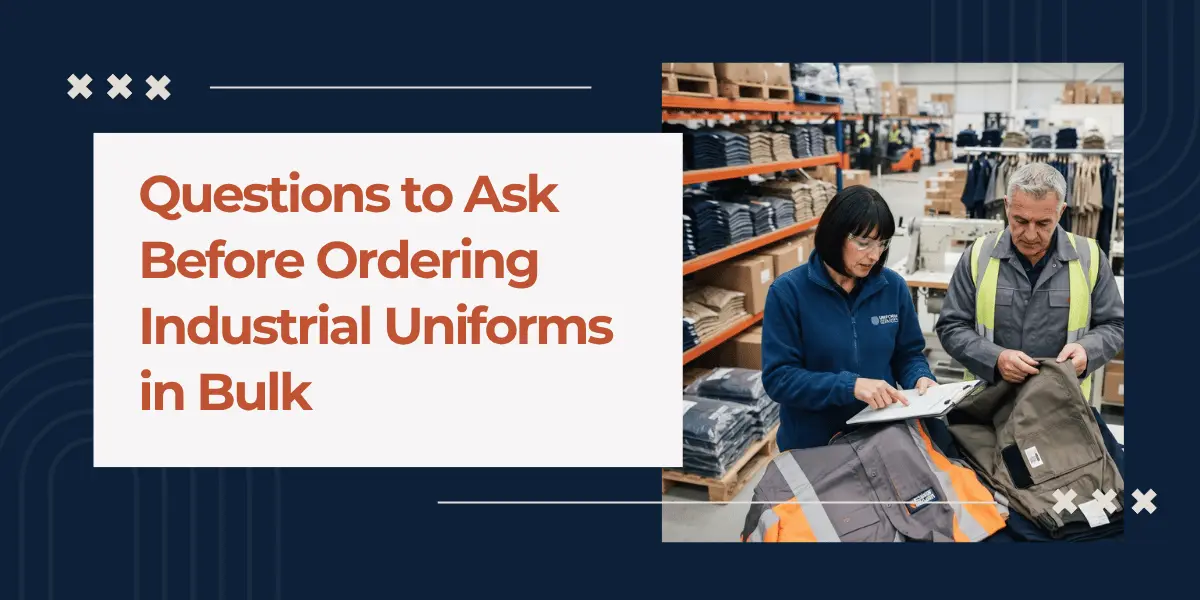
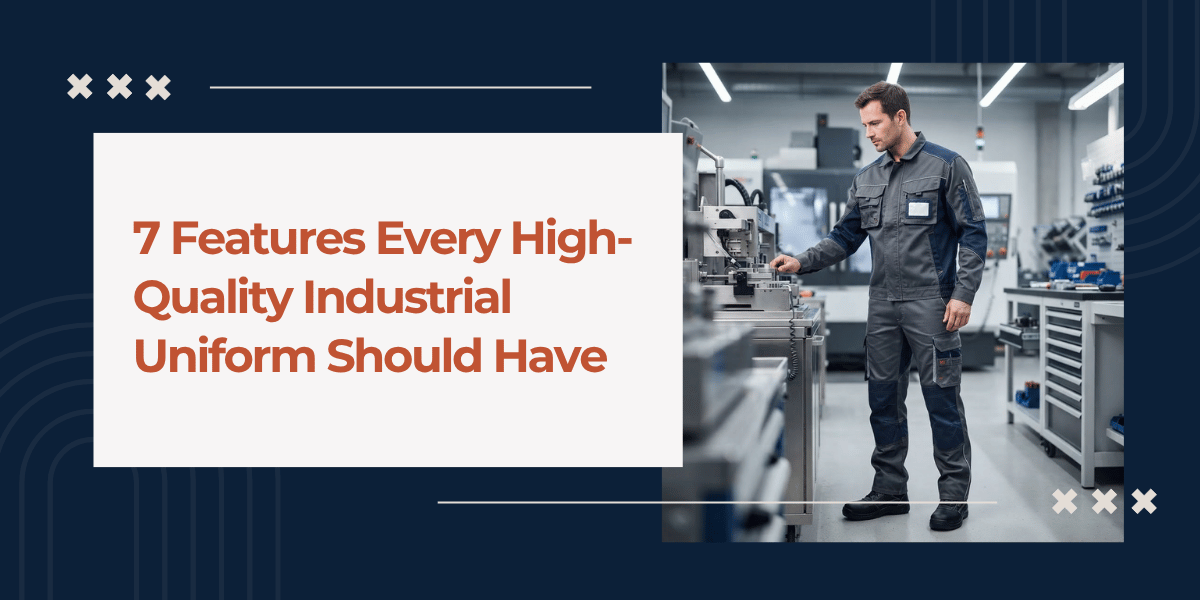
For industrial uniforms in warehouses and plants, the focus is on protective features and durability, while still carrying the company’s branding.
In office environments, standard-fit office uniforms still work well for administrative teams, though many companies now offer various sizes and fits instead of a single standard option.
This is where the magic of custom uniforms for different departments in the UAE really shines. Instead of just ordering a single batch of the same shirts, procurement teams collaborate with suppliers to create unique designs tailored to each department.
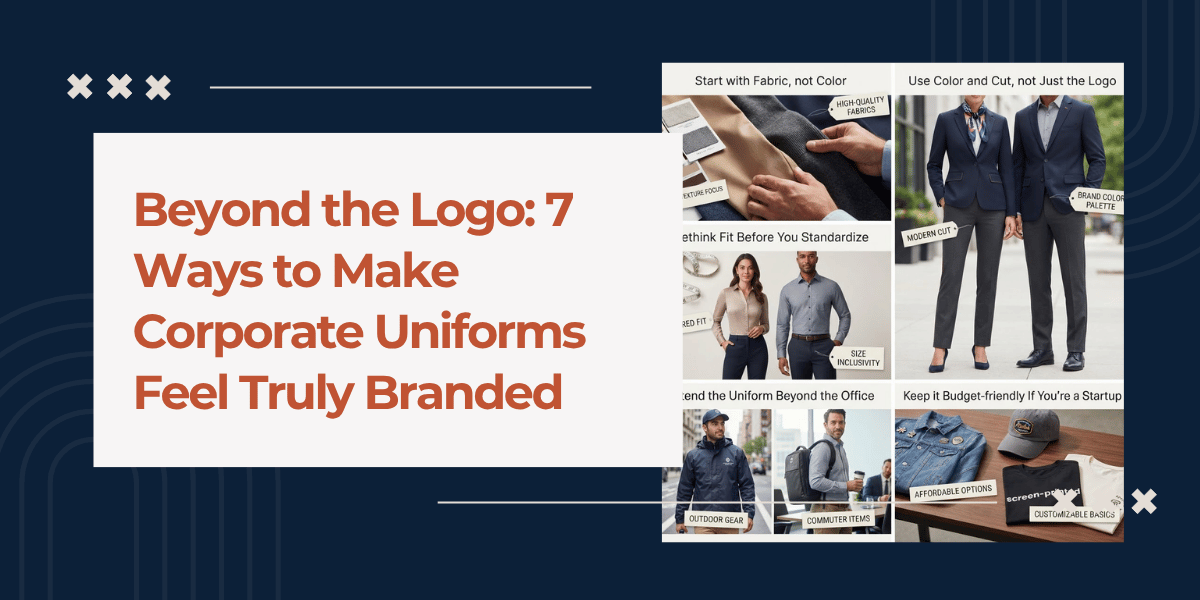
They ensure that all the designs are tied together with common branding elements, such as a cohesive color palette, strategic logo placement, or specific trim details.
Choosing the Right Uniform Partner for a Role-based Approach
Making this transition successful really hinges on the supplier. A uniform manufacturer in the UAE that offers only a limited selection of styles will likely struggle to support a rollout across multiple departments. As businesses look into where to buy customized uniforms in the UAE, they’re increasingly posing direct questions to suppliers before making a commitment:
Can they manage various fabric types and cuts in a single order?
Do they provide fit consultations tailored to different body shapes and job movements?
Can they ramp up production if the company decides to add new roles down the line?
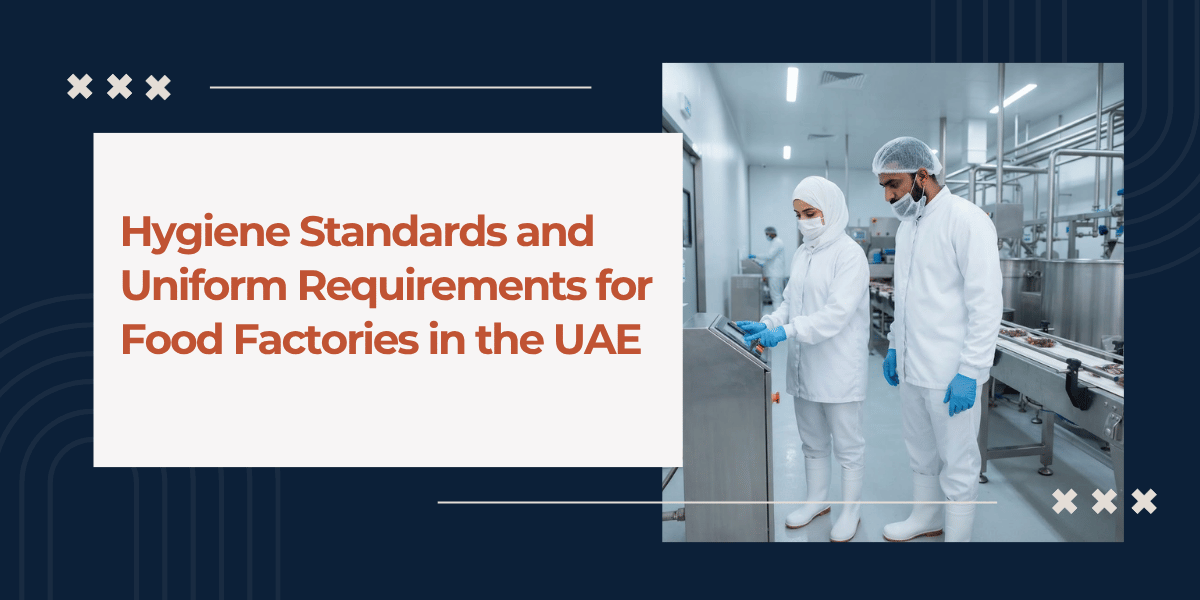
Are they familiar with industry-specific compliance requirements, such as flame resistance or hygiene standards?
Conclusion
As UAE businesses become more diverse and role-specific, generic uniforms are no longer enough. Role-based workwear helps companies improve employee comfort, safety, functionality, and brand presentation across different departments.
Businesses should therefore choose experienced uniform suppliers in the UAE that can provide consistent quality, customization, and scalable solutions.
Silver Thread UAE is among the top uniform manufacturers in the UAE, helping businesses create practical, professional workwear tailored to different roles while maintaining a consistent brand identity across the organization.
FAQs
What are the benefits of role-based uniforms for employees?
Role-based uniforms can improve comfort, mobility, safety, and productivity because employees receive clothing designed around the specific demands of their jobs.
How can companies choose the right workwear for different job roles?
Companies should consider the employee’s daily tasks, workplace conditions, safety requirements, mobility needs, climate, and customer-facing responsibilities before selecting uniform styles and fabrics.
Can different department uniforms still maintain a consistent brand identity?
Yes. Companies can use consistent brand colors, logos, embroidery, trims, or design elements across different uniform styles while adapting the fit and functionality to each department.