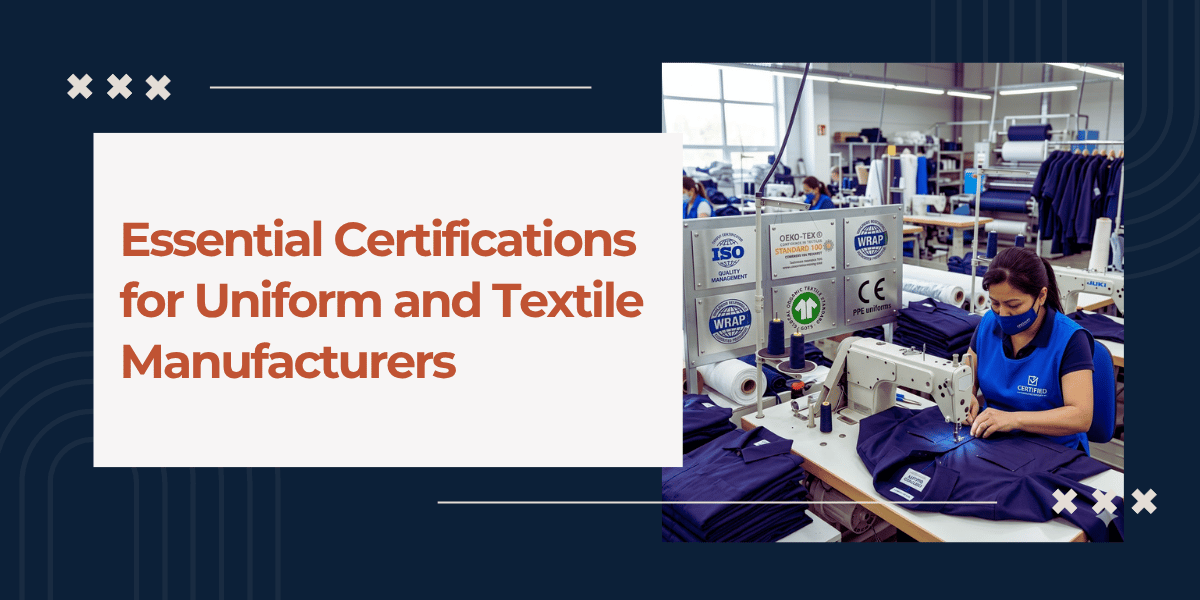
Essential Certifications for Uniform and Textile Manufacturers

Certifications for Uniform and Textile Manufacturers

Certifications and standards are helpful when you want high-quality products, especially for clothes. For example, in uniform manufacturing across different industries, many certifications are required to ensure safety and meet certain standards. 

They are often tasked with making uniforms that are comfortable, safe, eco-friendly, and, most importantly, user-friendly. As textile manufacturers, you need these labels and certifications so your customers trust you for long-term quality and not just aesthetics.

Why Certifications Matter in the Textile Industry

The textile industry operates under the intense demands of regulators, brands, and end consumers. Certifications offer independent confirmation that producers adhere to best practices in worker safety, environmental stewardship, and production. 

These certifications give companies that source uniforms, whether they are corporations, educational institutions, or medical facilities, assurance that their uniforms meet predetermined standards.

Over the past ten years, textile industry compliance standards have changed dramatically. What was formerly mainly concerned with product quality now includes supply chain transparency, social responsibility, and environmental impact. Manufacturers that make the necessary certification investments present themselves as dependable partners capable of meeting a wide range of customer demands.

Textile manufacturers

Core Certifications Every Manufacturer Should Consider

There are many different standards and certifications that textile manufacturers need to follow: 

1. ISO Standards

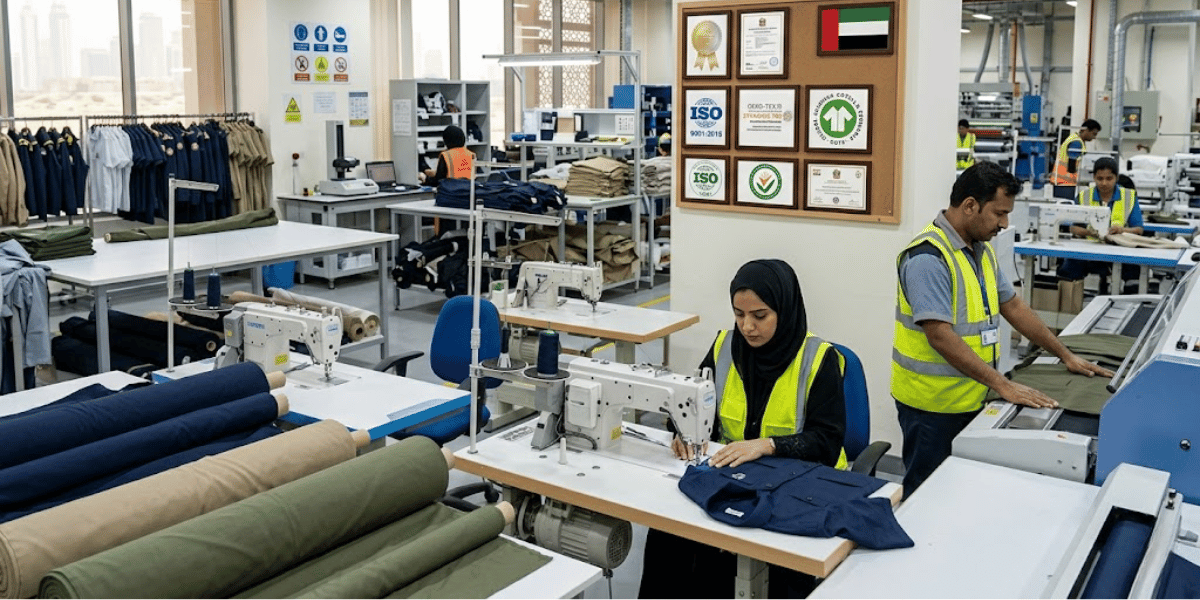
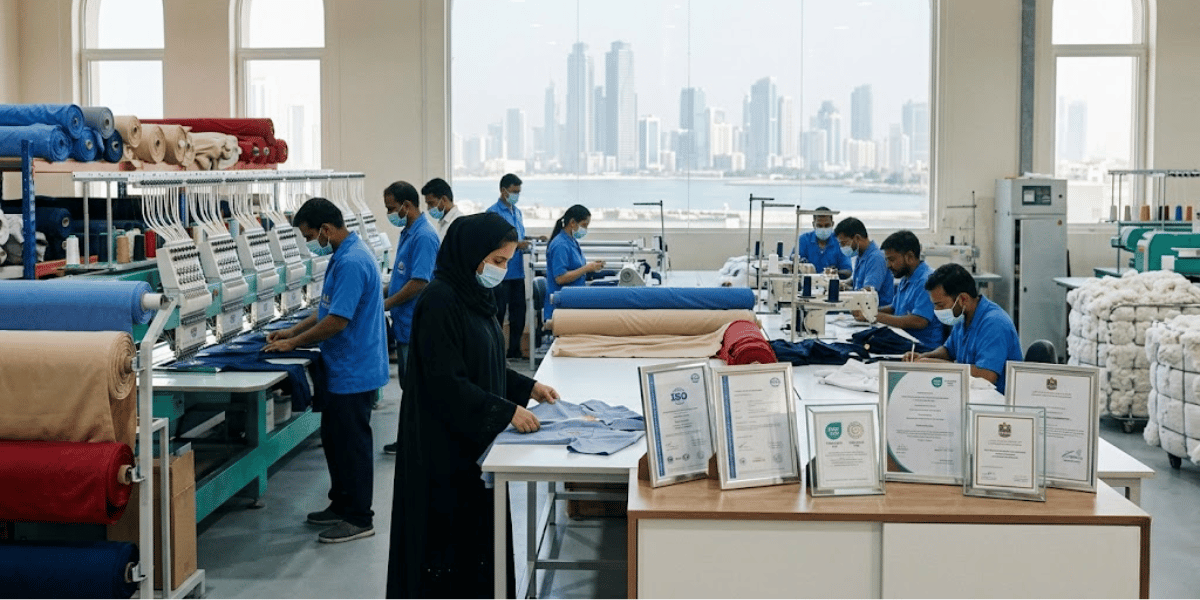
The gold standard for quality control in textiles is the ISO standards. A manufacturer’s dedication to consistent quality management systems, encompassing everything from raw material selection to final product delivery, is demonstrated by ISO 9001 certification. 

How does this certification work?

This certification attests to the existence of documented procedures for customer satisfaction, continuous improvement, and quality control.

In particular, ISO standards for textiles guarantee dimensional stability, colourfastness, and durability, which are essential when clothing must withstand repeated washings and prolonged wear. 

While a corporate uniform manufacturer in the UAE can assure business clients that professional attire will consistently project the right image, consistency remains key.

Similarly, an ISO-certified school uniform manufacturer can confidently guarantee that uniforms will maintain their appearance throughout the academic year.

This ensures both durability and a polished look across different environments.

2. Safety and Testing Certifications

Safety certifications for uniform manufacturers address specific risks associated with various clothing applications. 

How do these certifications work?

These consistent manufacturing certifications show specialised knowledge and adherence to industry-specific safety regulations.

3. Environmental and Ethical Credentials

Sustainability certifications have really changed from being optional perks to essential parts of doing business. 

How do these certifications work?

As consumers increasingly push for transparency in global textile trends, manufacturers that can demonstrate strong ethical credentials definitely have an edge over the competition.

1. ESMA Compliance (Emirates Authority for Standardization and Metrology)

ESMA ensures that all textiles and uniforms comply with national quality, safety, and labelling regulations in the UAE. Compliance guarantees that fabrics are tested for durability, colorfastness, and safety, giving end users confidence in the product’s reliability.

2. GSO Standards (Gulf Standards Organization)

GSO sets regional standards for fiber composition, labeling, and overall product safety across GCC countries. Textile manufacturers following these standards ensure their uniforms meet consistent quality benchmarks for schools, corporations, and industrial workplaces.

3. UAE Civil Defence Certification

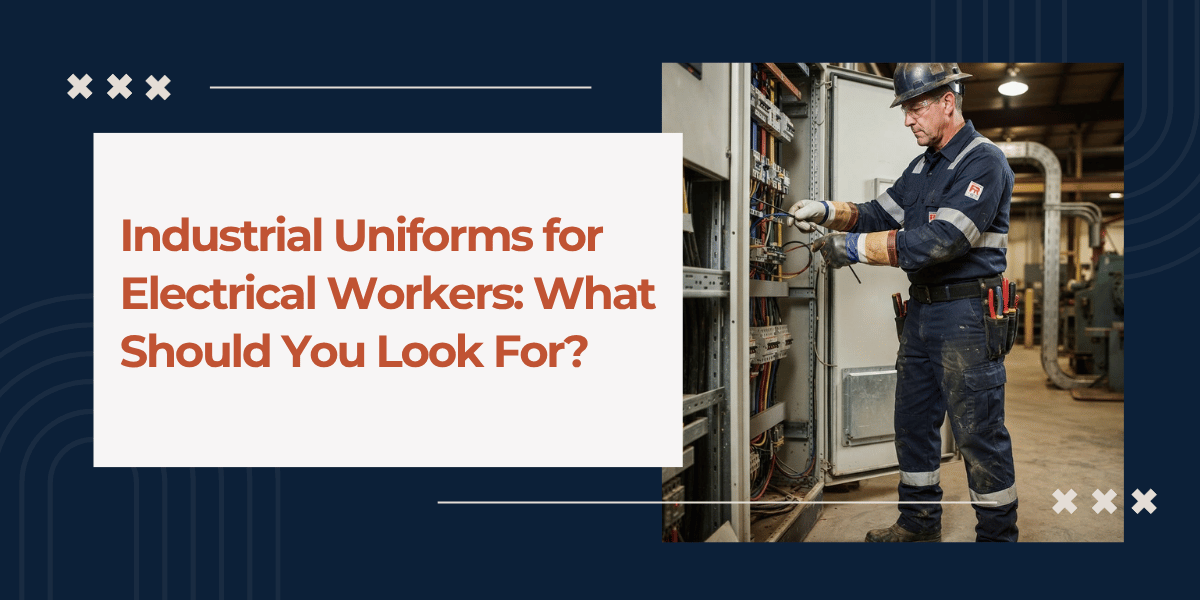
For industrial workwear and high-risk professions, Civil Defence certification ensures that flame-resistant or high-visibility uniforms meet fire and safety regulations. This is crucial for the construction, oil, and manufacturing sectors.

4. UAE Ministry of Health (MOH) Regulations

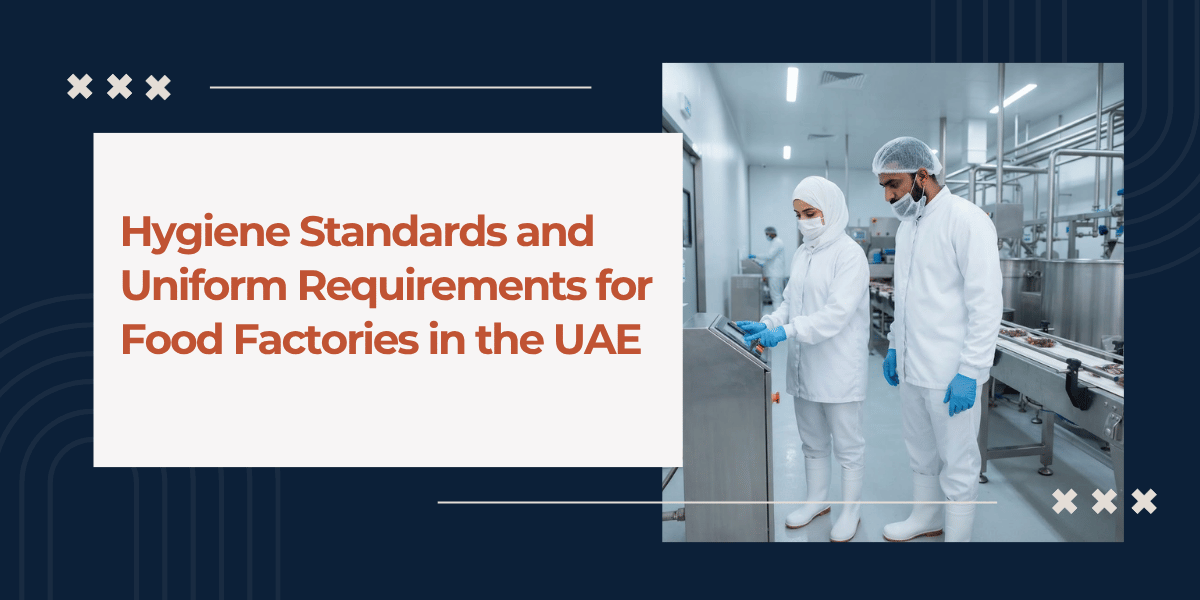
Uniforms for healthcare professionals must comply with MOH regulations, guaranteeing hygienic, durable, and safe garments suitable for hospitals, clinics, and medical laboratories. These regulations cover material, design, and sterilization standards.

4. Technical Specifications and Quality Metrics

Getting a grip on fabric specs is key to keeping quality in check. GSM tells us about the fabric’s weight and density, which play a big role in how durable, comfortable, and good-looking it is. 

For example, a polo shirt meant for a corporate uniform usually falls in the 180-220 GSM (Grams per Square Meter) range for the best fit and lasting wear. However, heavier weights are often needed for industrial workwear.

Uniform manufacturing certifications help ensure that manufacturers adhere to required GSM, maintain thread counts, and maintain colourfastness. 

This level of detail is important whether clients buy customized uniforms in the UAE or get supplies from abroad.

Textile Manufacturers

Building Long-Term Value Through Certification

Getting and keeping certifications does take some investment, but the benefits are well worth it. They don’t just help you check off the necessary boxes; they also boost your brand’s reputation, cut down on quality disputes, and can even allow you to charge more for your products. 

When it comes to promotional clothing and uniforms, having certified quality standards can lead to better returns by reducing replacements and keeping employees happier, ultimately adding real value.

For uniform suppliers in the UAE, having certified credentials makes it easier to win over customers. When you’re already pre-qualified, it cuts out a lot of the long vetting processes, speeds up sales, and helps you gain trust with procurement teams. 

In industries where compliance is a must, being properly certified is pretty much your ticket to getting in the door.

Conclusion

Certifications play a critical role in building trust, ensuring safety, and maintaining consistent quality in uniform production. They help manufacturers meet global standards while addressing modern demands like sustainability and ethical practices. 

When comparing local vs. overseas uniform manufacturing, certified local providers often offer better compliance, faster delivery, and easier communication. Choosing a reliable uniform manufacturer in the UAE ensures that businesses receive durable, safe, and high-quality products that meet industry requirements. 

Companies like Silver Thread UAE stand out by combining certified processes with strong craftsmanship, helping clients achieve long-term value, reliability, and confidence in their uniform investments.

FAQs

What are the essential certifications for uniform manufacturers?

Essential certifications include ISO 9001, OEKO-TEX Standard 100, GOTS, and WRAP. These ensure quality management, safety, sustainability, and ethical production practices across textile manufacturing processes.

Why are textile compliance standards important for manufacturers?

Textile compliance standards ensure product safety, durability, and environmental responsibility. They help manufacturers meet regulations, build trust, and reduce risks associated with poor-quality or unsafe materials.

How do ISO certifications benefit uniform and textile companies?

ISO certifications improve quality control, streamline processes, and enhance customer satisfaction. They also boost credibility, helping companies win contracts and maintain consistent production standards across operations.