Common Uniform Customization Options Explained
Every business has to think about how its team looks. While many industries, like food and manufacturing, remain focused on safety, some, like hospitality, have to emphasize looks too.
This is why they opt for custom uniform customization options. These customizations can cover everything from fabric choice to logo replacement and label design. And when you have options to design them as you want, you don’t have to settle for less.
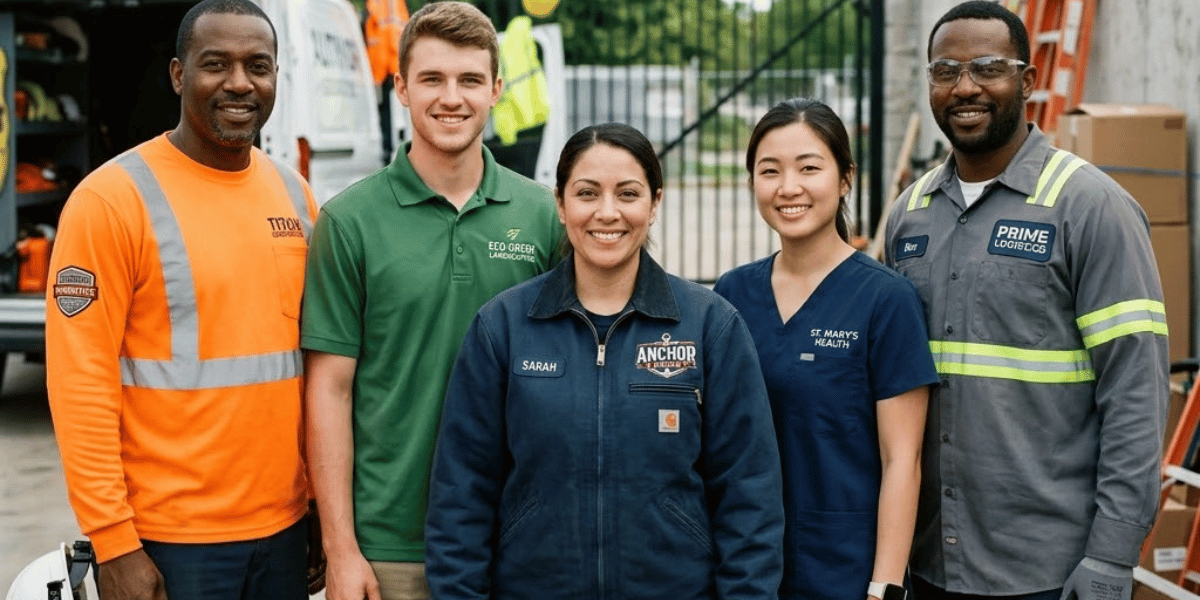
Whether you are in the automotive industry, run a logistics company, manage a restaurant, or operate a healthcare facility, you should understand why businesses in the UAE choose customized uniforms.
Therefore, today we will explore the most common uniform customization options and how businesses can use them to create uniforms that meet their operational and branding requirements.
So, what are the possible options?
Growing Demand for Customized Uniforms
The rise in demand for branded work uniform customization parallels a broader shift in attitudes around identity. Uniforms are not just dress codes; they are a customer cue, a staff standard, and an accountability layer in regulated industries.
Factors that are making it possible are:
- Brand consistency: customers want to see the same visual identity in all customer-facing employees.
- Staff recognition: In large facilities, such as hospitals and warehouses, clear uniform differentiation helps people know who does what.
- Compliance requirements: workwear often must meet safety or hygiene regulations, especially in industries such as food service, healthcare, and construction.
- Professionalism: custom company uniform printing eliminates the “randomly assembled” erosion of customer confidence.
Common Uniform Customization Options for You to Consider
When you are purchasing custom uniforms, here are the customizations options for you:
1. Embroidery vs. Printing
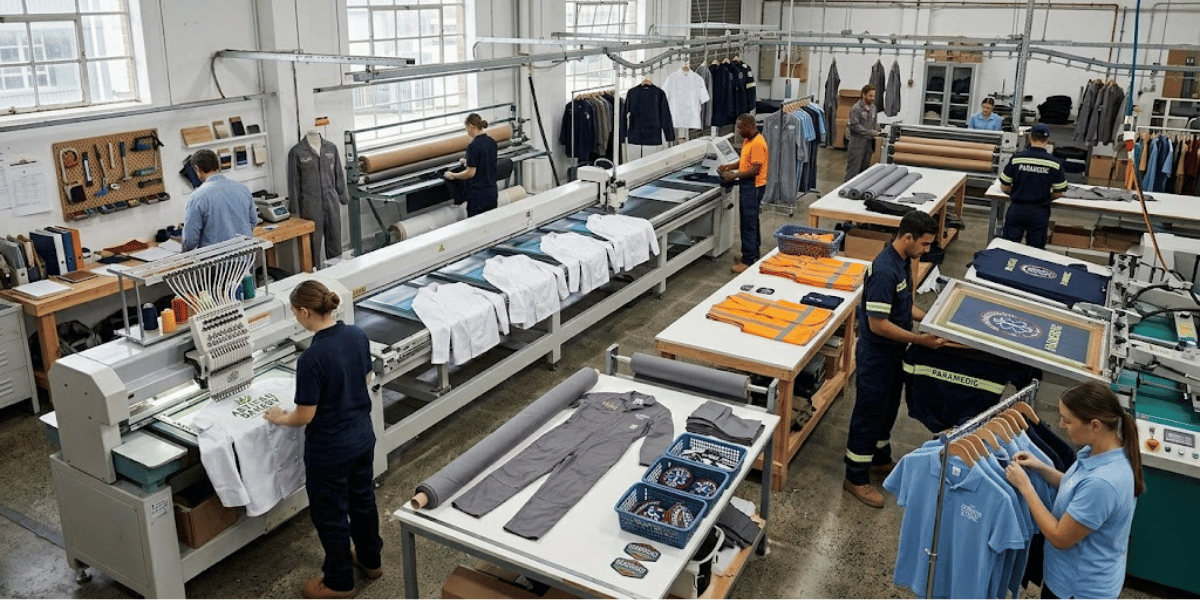
Embroidery stitches are right through the fabric with thread. Embroidered uniforms for businesses are durable, look sharp on polo shirts and jackets, and don’t fade or crack in the wash.
Printing, on the other hand, is the application of ink or heat-transfer material to fabric. It handles detail and full colour better than embroidery and is typically cheaper at scale.
2. Labels and Branding Details
Apart from the visible logo, there are several smaller customization options that affect how professional the finished garment looks and functions. Some of them are shared by one of the leading corporate uniform companies in the UAE.
- Woven labels
- Printed labels
- Hang tags and packaging
- Flag labels
3. Fabric Selection
Before any logo is applied to the garment itself, customization decisions are made. The fabric chosen dictates comfort, durability, and whether the uniform actually functions in its environment.
- Cotton Blends: Comfortable, Breathable, For Office and Service Roles
- Polyester: Wrinkle-resistant, good colorfastness, dries quickly; standard in hospitality and corporate settings
- Ripstop: a reinforced fabric that is tear-resistant. Used in workwear for physically demanding environments
- Moisture-wicking Polyester: Draws sweat away from skin; popular for outdoor jobs and active work environments
- Anti-static and Flame-resistant Fabrics: these are fabric specifications that need to be confirmed before ordering, not additions, and are necessary for certain industrial applications
A school uniform manufacturer may look for different fabric requirements than a hospital uniform manufacturer. Getting the fabric spec right is as important as logo placement.
4. Color and Fit Options
When it comes to color customization, it’s more than just picking a color from a basic palette. Custom workwear suppliers in the UAE usually provide options like:
- Pantone-matched colors: this means the garment color is precisely matched to your brand's color reference rather than a general shade like "navy" or "red."
- Two-tone construction: think contrasting colors for collars, cuffs, or paneling that's built into the garment.
- Piping and trim: adding colored edges to seams or collars can give it a more stylish look without needing to slap on a logo.
As for sizing, most uniform suppliers in the UAE offer standard sizes along with semi-tailored cuts. This is particularly important for client-facing roles in industries such as hospitality and retail, where fit plays a key part in the overall brand impression.
5. Functional Add-Ons
Some functionalities that you can add for more practical reasons are:
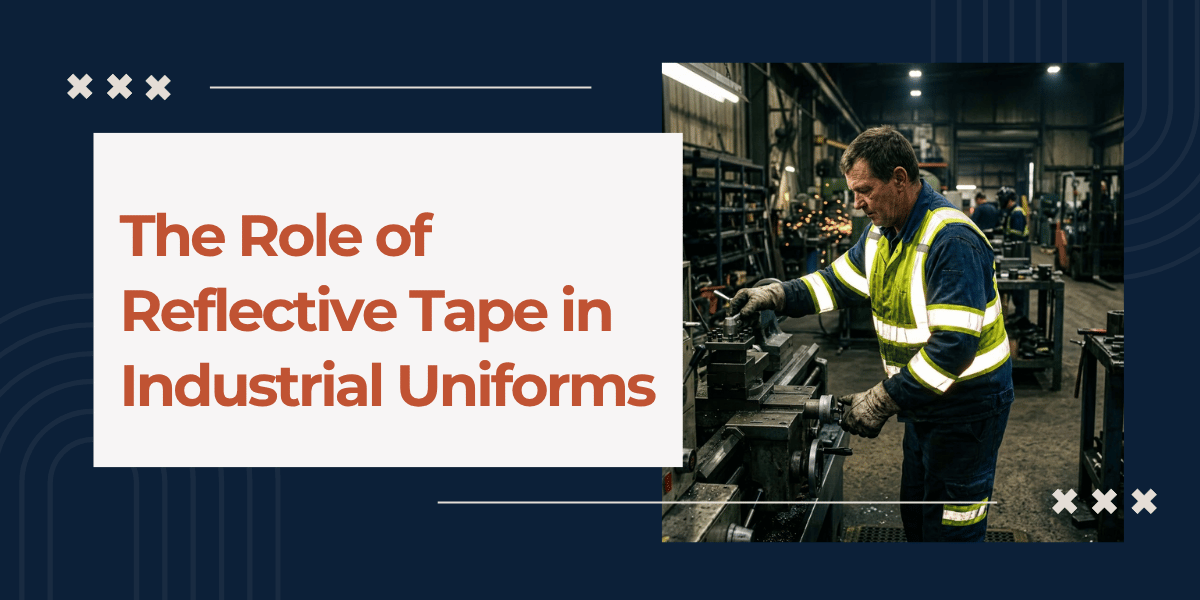
- Reflective tape
- Reinforced stitching at stress points
- Additional pockets
- Velcro and zipper placement
- Antimicrobial fabric treatment
6. Patch and Badge Options
Patches and badges are a bit different from direct embroidery or printing since they’re applied separately.
- Embroidered patches are sewn onto clothing, so you can swap them out or move them around. This makes them a practical choice for identifying roles.
- PVC patches are made from molded rubber or PVC and have a raised texture. They’re tough and can withstand the elements, so you often see them in outdoor and security uniforms.
- Woven patches allow finer detail than embroidered ones; they’re ideal when you need precision, especially for smaller designs.
For companies in the UAE that order custom uniforms for different departments or roles, patches really offer a lot of flexibility. You can keep the base garment the same while changing the patch to match the team.
What to Confirm Before Placing an Order?
When you’re dealing with a uniform company in Dubai or any other supplier, there are some key questions you really need to ask to avoid costly mistakes:
- What's the minimum order quantity?
- What file format do they need for artwork?
- What color matching standards should you follow (like Pantone or CMYK)?
- How long will it take to get the first samples?
- What are the washing and care guidelines for the finished garments?
- Can you count on replacements or repeats being a good match with the original batch?
Getting solid answers to these before you kick off production can save you a lot of time and money.
Conclusion
Uniforms are more than standard workwear; they represent a company’s identity, professionalism, and operational requirements. From fabric selection and logo application to patches, labels, and functional add-ons, the right uniform customization options can improve both employee comfort and brand visibility.
Businesses looking to buy customized uniforms in the UAE should carefully evaluate their requirements before placing an order to ensure consistency and long-term value.
Working with an experienced uniform manufacturer in the UAE can make the entire process more efficient. As a trusted corporate uniform company, Silver Thread UAE helps businesses create high-quality, customized uniforms that combine functionality, durability, and professional branding.
FAQs
The most common uniform customization options include embroidery, printing, fabric selection, color matching, patches, labels, and functional additions such as reflective tape. These features help businesses align uniforms with their branding and operational needs.
Embroidery is ideal for durability and a premium appearance, while printing works better for detailed designs and large-scale production. The best choice depends on your budget, branding requirements, and garment type.
The customization timeline varies depending on design complexity, order quantity, and approval processes. Most suppliers require a few weeks, including sampling, production, and final delivery.