Moisture-Wicking vs. Cotton: Which Is Best for Sportswear?

Sportswear in UAE

Table of Contents

Moisture-wicking vs cotton sports uniforms impact elite athletes as much as it does weekend warriors, so as a sports person, you need to know it all.

Let us help you understand the difference so you can make the right choice. 

To learn about the advantages and disadvantages of each, see the detailed sportswear material comparison for sports uniforms and activewear.

Cotton: Comfort with Limitations

Natural cotton is valued for its affordability, softness, and breathability. It’s frequently the first option when you want a daily wearable that is both comfortable and non-irritating.

Pros of Cotton in Sportswear:

Cons of Cotton for Athletic Use:

Cotton performs poorly in high-intensity training or competitive sports, but it can be a suitable option for low-impact exercises such as yoga or walking.

Sportswear

Moisture-Wicking Fabrics: Engineered for Performance

Polyester, nylon, and specialty blends are examples of materials that are specifically made to wick away sweat from the skin. It helps moisture to evaporate rapidly. This allows athletes to stay focused, cool, and dry.

Pros of Moisture-Wicking Sportswear:

Cons of Moisture-Wicking Fabrics:

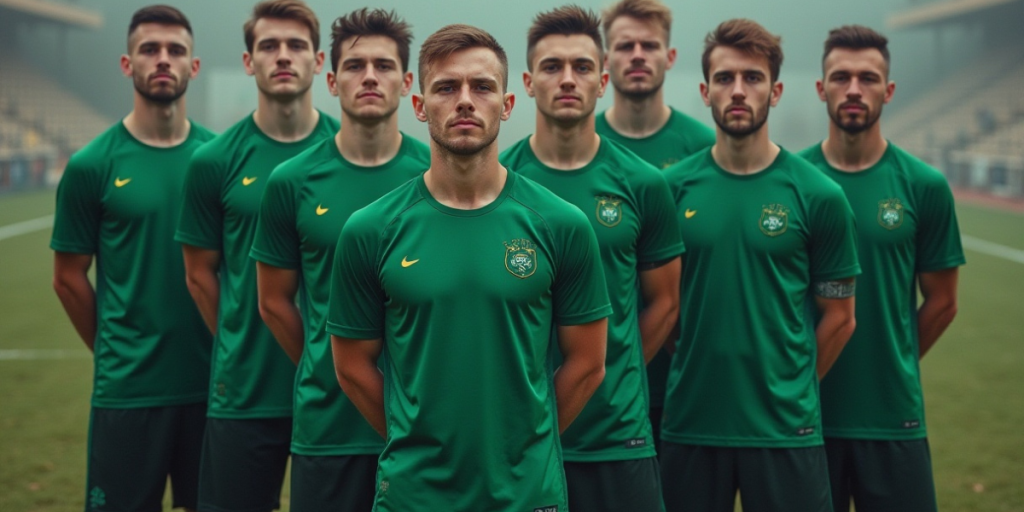
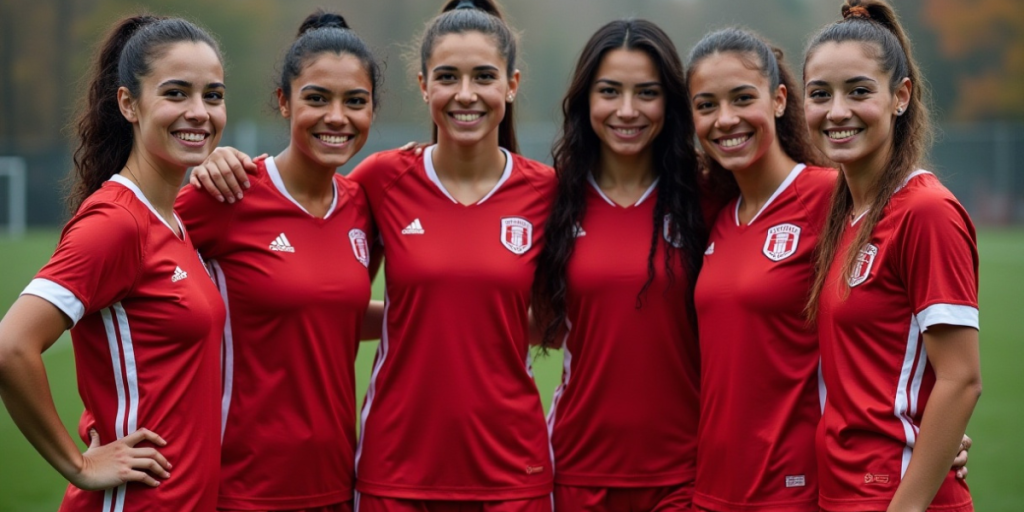
Such fabrics are frequently used in school sports uniform designs, team sports uniforms, and personalized equipment for athletes of all skill levels due to their performance advantages.

Comparison Table: What to choose, Moisture wicking or Cotton?

Feature

Moisture-Wicking Fabrics

Cotton

Weight When Wet

Remains light even when soaked

Gets heavy when saturated with sweat

Color Retention

Retains color well after multiple washes

Fades over time, especially with sweat

Shrinkage

Low shrinkage with proper care

Prone to shrinking after washing

Eco-Friendliness

Often synthetic, less biodegradable

Natural fiber, more environmentally friendly

Ironing Requirements

Wrinkle-resistant, rarely needs ironing

Wrinkles easily, often needs ironing

Maintenance

Easy care, machine-washable, dries fast

Needs more drying time, higher maintenance

All-Weather Performance

Suitable for hot and humid conditions

Poor choice in humid environments

Choosing the Right Material Based on Use

The best fabric for sportswear is often determined by the level of activity you engage in as well as how frequently you plan to wear and clean your equipment.

Sportswear

What Do Uniform Suppliers Recommend?

Many uniform suppliers in the UAE are transitioning to synthetic fabrics with advanced properties in response to the growing demand for high-performance gear. These suppliers are aware that contemporary athletes, whether in clubs, businesses, or educational institutions, value both functionality and style.

Sports uniforms wholesale that combine sweat management and durability are becoming increasingly popular, according to suppliers, especially in the hot and muggy Middle East. 

Moisture-wicking fabrics are frequently suggested over cotton because of their better performance in harsh weather, whether customers wish to purchase personalized uniforms in the United Arab Emirates or require a standard set for a school sports day.

Conclusion

Choosing the right fabric is crucial for performance and comfort in sportswear. While cotton offers comfort for low-impact activities, moisture-wicking fabrics are superior for active sports due to their quick-drying and sweat-resistant properties. 

For schools, teams, and professional athletes, durability and function matter as much as style. That’s why many are opting for advanced synthetic blends. 

If you’re planning to buy customized uniforms in UAE, go for materials that offer breathability, moisture management, and long-lasting wear—perfect for the region’s climate and performance demands.

Silver Thread UAE is a trusted name for high-quality, performance-driven custom sports uniforms across the Emirates.

FAQs

Is cotton suitable for sportswear?

Cotton is soft and breathable, but it is not ideal for high-intensity sports. It absorbs sweat, becomes heavy, and dries slowly, making it uncomfortable during prolonged physical activity. It’s best suited for light workouts, such as walking or yoga.

Why choose moisture-wicking fabric for sports?

Moisture-wicking fabric pulls sweat away from the skin, keeping you dry and comfortable. It dries faster, reduces irritation, and helps regulate body temperature, making it perfect for intense workouts, outdoor sports, or hot weather environments like the UAE.

Which fabric keeps athletes dry during sports?

Moisture-wicking fabrics such as polyester and performance blends are designed to keep athletes dry. They draw moisture from the body to the fabric surface, where it evaporates quickly, preventing discomfort, overheating, and distraction during training or competitions.