The workplace is the space where we all spend more than half of our day. So, this is one place where you need to showcase professionalism, establish cultural respect, and, as needed, develop brand identity.
Organisations across industries often worry about uniform vs dress code policies. They want something that fulfills their operational needs and workforce diversity. Employees from different cultural backgrounds struggle with how to dress.
Now, if the policy is catering to a specific culture, it can become a struggle. Therefore, companies must be careful when setting a uniform or dress code policy.
The dress your team wears will define the safety standards you set and boost people’s confidence, creating a satisfying work environment.
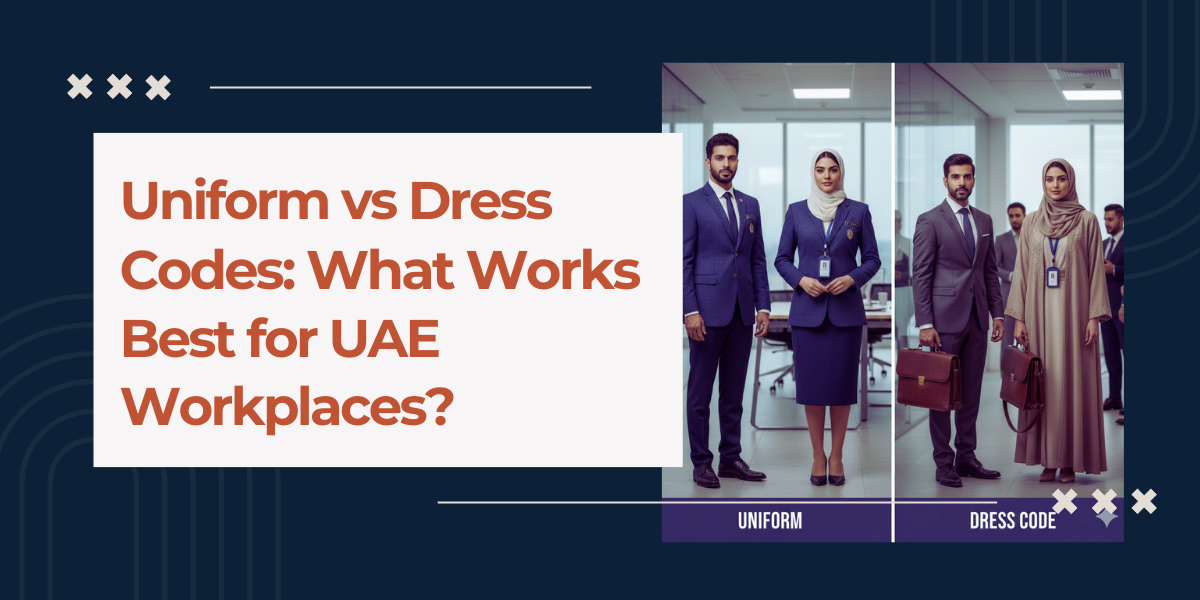
A uniform policy requires employees to wear a uniform decided by the company. It can be a set of rules for different roles that cover visibility, safety, and hygiene, as well as the brand consistency policy.
Common Industries Using Uniforms in the UAE:
Hospitality and tourism
Airlines and aviation services
Healthcare and medical facilities
Retail chains
Security and facility management
Key Advantages of Uniforms:
Quick brand recognition
Encourages parity among workers
Lessens the stress of making decisions every day
Increases the authority and trust of customers
Uniforms are considered more effective in public-facing roles. When employees demonstrate the business’s visual identity, it conveys reliability and professionalism.
Potential Limitations:
Here are a few key points to consider:
There's not much room for personal style.
Managing sizes and replacements can be tricky.
Comfort can be an issue when temperatures rise.
In the UAE, choosing the right materials and designing for the climate matter, since comfort plays a big role in how well people can work.
What Is a Workplace Dress Code?
A dress is about some simple guidance instead of any strict rules. Employees dress according to the standards but in a flexible manner. This can be business formal, business casual or just professional attire that is still modest.
This kind of setup is common in places like:
Corporate offices
Tech companies
Marketing and creative agencies
Consulting firms and other professional services
Having a dress code means employees show their personal style while looking professional. This kind of flexibility can uplift team spirit and fits well in hybrid or traditional office roles where people don’t need to be instantly recognizable.
Benefits of Employee Uniforms and Dress Codes:
More freedom for employees
Increased comfort and confidence
Reduced administrative expenses
Flexible for hybrid work setups
Tell your uniform manufacturer in the UAE that the rules are definitive when there is a dress code. But in case there are no rules, people can mix it with anything. But in a culturally diverse place like the UAE, a little flexibility with certain standards can do well.
Cultural and Compliance Considerations in the UAE
For the dress code, companies need to think about inclusiveness. Significantly, any work attire policies in the UAE you decide should honor modesty standards, but they also need to work for international staff.
Some key things to keep in mind are:
Making sure it lines up with UAE labor laws
Being respectful of different religious and cultural practices
Ensuring safety and hygiene are covered
Clearly communicating what’s expected
If the appearance policy isn’t clear, whether it’s about uniforms or just guidelines, it can lead to employee dissatisfaction and might even cause legal or HR issues down the line.
Industry-Specific Needs Matter Most
There is nothing obvious for all, and uniform suppliers in the UAE know it. Whether Uniforms or Dress Codes work better usually hinges more on the specific job roles than just the company’s size or the industry they’re in.
For example:
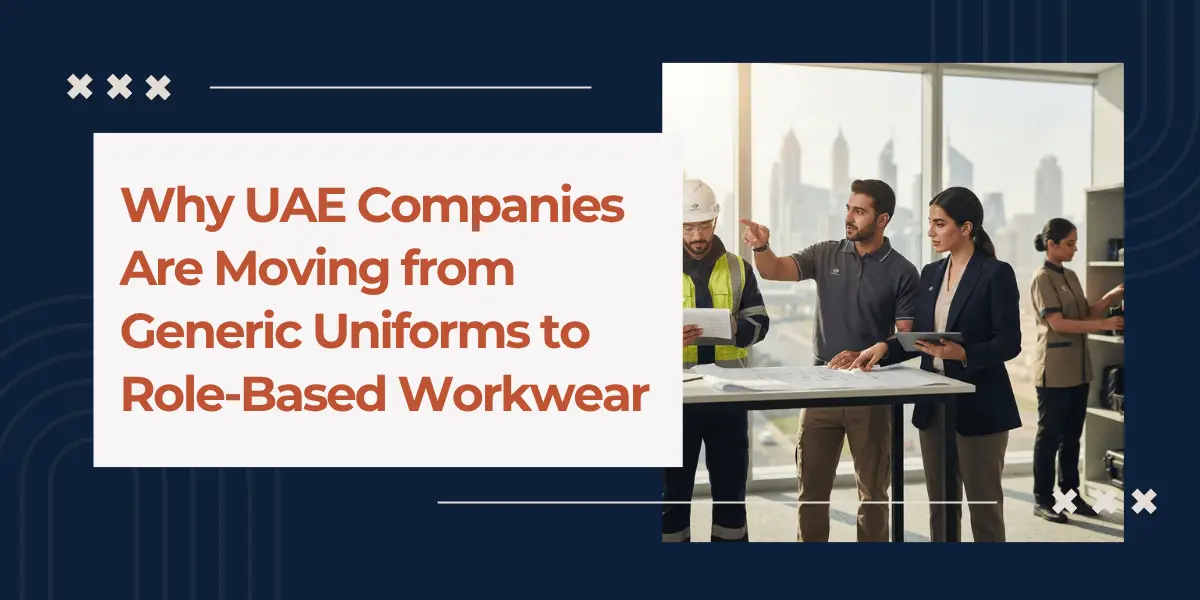
Roles with direct customer interaction do well with uniforms made from the best fabric for corporate uniforms, ensuring comfort and durability.
Creative jobs with a flexible dress code that just maintains modesty at the workplace.
Bigger companies may mix both styles.
Some businesses in the UAE have found success blending these two approaches, maintaining a sense of uniformity where it’s necessary.
Making the Right Choice for Your Organization
Well, deciding between the 2 may be challenging for some companies, especially when you have to explain it to the corporate uniform manufacturer. But if you focus on the latest corporate uniform trends, you can easily build your strategy or policy accordingly. Here are some steps you can take.
Get feedback from employees
Test things out with trial periods
Keep reviewing policies regularly
Make sure appearance standards fit with business goals
When made thoughtfully, choices about uniforms vs dress codes can help uphold professionalism, enhance employee satisfaction, and boost brand image in the competitive job market in the UAE.
Conclusion
Choosing between uniforms vs dress code depends on your company’s culture, industry, and workforce diversity. The right approach can enhance professionalism, employee confidence, and overall workplace satisfaction.
Businesses in the UAE that aim for a strong brand image and consistent team appearance often rely on customized uniforms, while flexible workplace dress standards allow personal expression and comfort.
By understanding your team’s needs and the local cultural context, you can implement attire policies that support both productivity and brand identity.
FAQs
What is the difference between a uniform and a dress code in UAE workplaces?
Uniforms provide a consistent, branded look, ensuring recognition and professionalism. Dress codes offer flexible attire guidelines that balance modesty, personal style, and workplace appropriateness.
How do uniforms and dress codes impact employee productivity in UAE offices?
Uniforms reduce decision fatigue, enhance brand representation, and foster equality. Dress codes boost comfort, flexibility, and morale, supporting creativity and engagement in culturally diverse offices.
Which works best for UAE workplaces: uniforms or dress codes?
It depends on job roles, industry, and organizational goals. Customer-facing roles benefit from uniforms, while creative or hybrid workplaces thrive with flexible dress codes.